
US Returns 657 Stolen Antiquities to India:
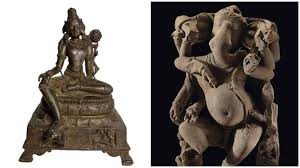
The United States has repatriated 657 antiquities valued at nearly USD 14 million to India, marking a significant victory in the global crackdown on transnational cultural property trafficking networks.
Key Recovered Antiquities
- Bronze Avalokiteshvara: A standout piece is a bronze figure of Avalokiteshvara (Bodhisattva of Infinite Compassion in Mahayana Buddhism) from Sirpur (Chhattisgarh), inscribed by the craftsman Dronaditya. He is seated on an inscribed double-lotus base.
- Red Sandstone Buddha: A standing red sandstone Buddha with the right hand raised in abhaya mudra, symbolising protection/fearlessness.
- Dancing Ganesha: Sandstone figure of Dancing Ganesha looted from a temple in Madhya Pradesh.
Procedure for Bringing Back the Antiquities:
- Pre-1947 (Colonial Period): Retrieval depends on cultural diplomacy, bilateral negotiations, and goodwill. No international legal framework existed.
- 1947–1976: Recovery relied on bilateral diplomacy and domestic laws such as the Antiquities (Export Control) Act, 1947. The 1970 UNESCO Convention was not yet ratified by India (ratified in 1977), making returns difficult due to limited evidence and international mechanisms.
- Post-1976: Governed by the Antiquities and Art Treasures Act, 1972, which came into force in 1976. The Act prohibits the export of antiquities by private persons; export is permitted only by the Central Government or authorised agencies, and only with the required permit. Therefore, unauthorised export after 1976 is legally easier to challenge.



