
Water Hyacinth Menace in Vembanad Lake:
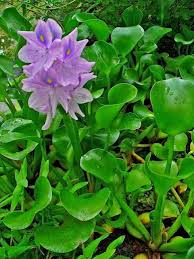
The State Wetland Authority Kerala (SWAK) is launching a one-month pilot project at Kumarakom, Kerala, to control the spread of invasive water hyacinth (Eichhornia crassipes) in Vembanad Lake using robotic technology.
- The project is being implemented under the National Plan for Conservation of Aquatic Ecosystems (NPCA) of the Ministry of Environment, Forest and Climate Change (MoEFCC).
- Vembanad Lake is a major Ramsar Wetland Site and one of the most important aquatic ecosystems of Kerala, supporting biodiversity, fisheries, tourism, and local livelihoods.
- Water hyacinth (Eichhornia crassipes) is a free-floating freshwater aquatic weed belonging to the Pontederiaceae family and is an invasive alien species.
- It is native to the Amazon Basin of South America and was introduced in many countries, including India, as an ornamental plant due to its attractive purple flowers.
- Water hyacinth reproduces rapidly and forms dense floating mats, blocking sunlight penetration and reducing dissolved oxygen levels, thereby affecting aquatic biodiversity.
- Excessive growth causes eutrophication and chokes rivers, lakes, ponds and wetlands, disrupting fisheries, navigation, irrigation channels, tourism activities and recreational use.
- Controlled through mechanical removal, biological control using Neochetina weevils, and reduction of nutrient pollution/sewage discharge to prevent excessive growth.
- Can be utilised for compost, bio-fertiliser, soil supplements, handicrafts, paper production, and phytoremediation (removal of pollutants from water).



