
Today’s Current Affairs: 29th Sep 2026 for UPSC IAS exams, State PSC exams, SSC CGL, State SSC, RRB, Railways, Banking Exam & IBPS, etc
Table of Contents
Tetrataenium manipurense : Local Culinary Herb

A team of botanists from Manipur University and Mizoram University has officially identified a local culinary herb recently and named it Tetrataenium manipurense after the state of Manipur.
- Tetrataenium manipurense is a new plant species from Manipur.
- Locally known as ‘Singjang-kumol’ or ‘Manshang-nakuppi’, the species has been named Tetrataenium manipurense after the state of Manipur.
- It is a local culinary herb in Manipur.
- Despite its long-standing popularity in traditional Manipuri cuisine, the plant previously lacked official recognition in global scientific records.
- It has long, slender, grass-like green leaflets and an exceptionally long cylindrical rootstock.
- The plant also produces stalks that bear small, oblong-oval fruits.
- For generations, communities have harvested its aerial shoots, flowers, and basal leaves to season traditional dishes.
- Local markets in Manipur have been trading this wild aromatic vegetable for generations, where it is typically sold in bundles of fresh green sprigs.
- It is provisionally categorised as Least Concern (LC) under the IUCN Red List criteria.
Travel & Tourism Development Index 2026:

The latest 2026 Travel & Tourism Development Index by the World Economic Forum suggests that travel and tourism conditions have strengthened across the world.
- Travel & Tourism Development Index (TTDI) is published biennially by the World Economic Forum (WEF).
- It has evolved from the Travel & Tourism Competitiveness Index (TTCI), published biennially from 2007 to 2019 by the WEF.
- Relaunched in 2022 in its current form, it reflects a broader focus on sustainable and resilient development, beyond competitiveness alone.
TTDI 2026 Highlights:
- It was published by WEF in collaboration with Zurich Insurance Group.
- It ranked 110 economies on the factors and conditions that support the development of travel and tourism.
- Being high on the TTDI does not necessarily mean a country receives the most tourists.
- The index is designed to measure how well economies are positioned to support sustainable and resilient tourism development.
- Japan moved up two places to take the top spot in the 2026 ranking. It was followed by the US, Spain, Australia, and France. And, Germany, the UK, China, Switzerland, and Italy comprised the top 10.
- India Rankings:
- India is ranked 31st, moving up from 39th place in 2024, helped by its low travel costs, cultural resources, and natural attractions.
- India also ranks among the top 10 economies for the number of World Heritage cultural sites, along with China and Mexico.
- The report also pointed to some challenges for India. Workforce skills, environmental sustainability, and tourism infrastructure remain areas that need improvement.
- Tourism conditions improved across most economies between 2024 and 2026.
- International tourist arrivals reached 1.5 billion in 2025, with arrivals 4.4% higher than pre-pandemic levels.
- 101 of the 110 economies covered by the index improved their scores during the period.
- The average score rose 2.1%, the fastest growth since 2019.
- China, India, Indonesia, Malaysia, Thailand, Viet Nam, the Philippines, Türkiye, Mexico, and Brazil, the 10 largest non-high-income travel and tourism economies account for more than 28% of global direct travel and tourism GDP, with their share projected to rise to 35% by 2035.
Polylactic Acid:
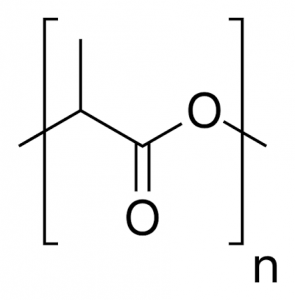
The Union minister for Science and Technology launched the commercial use of bio-based biodegradable plastic based on Polylactic Acid (PLA).
- Polylactic Acid is a biodegradable, thermoplastic polymer derived from renewable resources such as corn starch or sugarcane.
- It is synthesized through the fermentation of glucose to produce lactic acid, which is then polymerized.
- PLA is known for its eco-compatibility and versatility, finding applications in areas like food packaging, medical sutures, and 3D printing.
- Advantages of Polylactic Acid:
- Reduces Carbon Footprint: Its bio-based origin ensures a reduced carbon footprint and aligns with global sustainability goals.
- Dual Benefit: PLA’s ability to integrate agricultural waste into the value chain can create dual benefits first with farmers gaining additional income streams, and second is industries achieving a sustainable supply of raw materials.
- Resource utilization: Integrating PLA production within existing agro-industrial frameworks—such as co-locating bioplastic plants with sugar mills—can optimize resource utilization while reducing waste.
Begonia rajvikramanii : New Species Of The Genus Begonia

Researchers recently identified a new species of the genus Begonia from the Western Ghats region in Keralam’s Kollam district and named it Begonia rajvikramanii.
- Begonia rajvikramanii is a new species of perennial flowering plant.
- It belongs to the genus Begonia in the family Begoniaceae.
- The genus Begonia is one of the largest flowering plant genera, with 2,200 accepted species, mainly distributed across the tropical and subtropical regions of Africa, Asia, and America.
- Begonia rajvikramanii was discovered from the Western Ghats region in Keralam’s Kollam district.
- It grows in wet habitats, particularly on rocky cliffs and road-cut walls, at elevations of approximately 200 metres-350 metres
- Flowering and fruiting of Begonia rajvikramanii occurs between August and April.
- It has been assessed as ‘Data Deficient’ (DD), pending comprehensive assessment in the future.
Musk Deer:
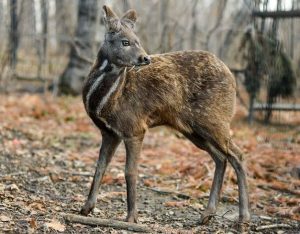
The Assam Police recovered six musk deer pods from two Arunachal Pradesh-based men during an operation near Guwahati.
- Musk deer (Moschidae) are small deer-like animals that belong to the family Moschidae.
- Its coat is dark brown, mottled with paler, greyer hair underneath. It has whitish markings on its chin and ears.
- They typically inhabit forests and brushlands at intermediate elevations and rocky slopes at altitudes between 2,600 and 3,000 meters.
- They live in highland areas in central and northeastern Asia, particularly in western China, Myanmar and the Himalayas.
- They are shy, usually feeding at night, and tend to live alone, occasionally in pairs but never in herds.
- Musk deer lacks antlers.
- The animal has well-developed side toes that give it a sure-footedness and allow to scamper around rocks in the snow and even climb trees.
- Their diet includes both browse and graze, and they also consume some mosses and lichens
- A musk deer pod is a specialised scent gland found in the abdomen of a male musk deer.
- It produces a strong-smelling, reddish-brown secretion used in traditional perfumes and medicines.
- A musk gland in males produces a strong scent used for communication/territorial marking.
- Conservation Status:
- IUCN: Endangered
- CITES: Appendix I
- The Wildlife (Protection) Act of 1972: Schedule I
Livestock Insurance Portal:

The Department of Animal Husbandry and Dairying will launch the Livestock Insurance Portal in New Delhi.
- Livestock Insurance Portal will provide a single, integrated digital platform for livestock insurance.
- It is aimed at making livestock insurance services more transparent, efficient, accessible and technology-driven.
- It will strengthen risk protection for livestock farmers and supporting the sustainability of their livelihoods.
- It is an initiative of the Ministry of Fisheries, Animal Husbandry and Dairying.
- It enables streamlined policy issuance, claim processing, monitoring and reporting, in case of animals insured under the Livestock Insurance Scheme of the Department of Animal Husbandry & Dairying.
- The Portal will also be available in 11 regional languages apart from Hindi and English, enabling livestock farmers to access information and services in languages familiar to them.
- It will also facilitate better coordination, real-time monitoring and data-driven management of livestock insurance programmes, contributing to improved service delivery across the country.
The ‘Enemy State’ Clauses in the UN Charter:
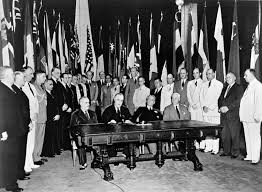
Japan’s Prime Minister at the United Nations General Assembly (UNGA) urged the UN to eliminate the “enemy state” clauses from the UN Charter.
- The UN Charter was drafted towards the end of World War II (WWII) and came into force in October 1945.
- The victorious Allied Powers (including the US, UK, Soviet Union, and China) inserted mechanisms to prevent the resurgence of militarism or fascism in the defeated Axis Powers (mainly Japan, Germany, Italy, and their allies).
- The enemy state clauses are an exception to the post-1945 principle under Article 2(4) of the UN Charter, which generally prohibits the threat or use of force against states.
- The term “enemy state” is explicitly mentioned in three articles of the UN Charter: Articles 53, 77, and 107.
- Article 53: Allows regional arrangements or agencies to take enforcement action against an “enemy state” without the prior authorization of the UN Security Council (UNSC).
- Article 53(2) defines an enemy state as any nation that was an enemy of a signatory of the UN Charter during WWII.
- Article 77: Pertains to the UN “trusteeship system” and mentions territories detached from “enemy states” as a result of WWII.
- Article 107: Validates and protects actions taken by Allied governments against the Axis powers during and immediately after the war.
- Japan joined the United Nations in 1956, after post-war reconstruction and reconciliation with the international community.
- Japan argues these clauses no longer reflect modern geopolitical realities. The UNGA previously recognized these clauses as “obsolete” in 1995 and adopted a resolution supporting their deletion in 2005.
- The outdated clauses are currently being invoked by China and Russia as diplomatic leverage to criticize Japan’s increased defense spending and to invalidate Japan’s territorial claims over the southern Kuril Islands.
- Amendment requires adoption by a two-thirds majority of the UN General Assembly, and ratification by two-thirds of UN member states, including all permanent members of the Security Council who hold veto power.
- They hesitate to open the Charter for revision, fearing it could trigger broader demands for UNSC structural reforms and membership expansion, which Japan strongly advocates.
- Japan’s concerns over outdated UN Charter provisions reinforce India’s long-standing call for UN reform that reflects 21st-century geopolitical realities.
- As a G4 member with Japan, Germany and Brazil, India supports a more representative, legitimate and effective multilateral system.
Delhi’s Proactive Air Quality Management Framework 2026-27:

Ahead of the annual winter smog crisis, the Delhi Government, in coordination with the Union Environment Ministry and Commission for Air Quality Management (CAQM), has introduced a permanent Proactive Winter Air Quality Management Framework (Winter Action Plan 2026-27).
- The new framework shifts pollution control from the reactive approach of the Graded Response Action Plan (GRAP) to a more proactive and preventive model, with year-round institutional measures, advanced seasonal action, and airshed-based management that treats Delhi-NCR as a single air-pollution region.
- These measures will operate alongside GRAP, which will continue to impose graded restrictions based on prevailing AQI levels, particularly during periods of severe pollution.
- Key Highlights of Delhi’s Winter Action Plan 2026-27:
- Non-Delhi-registered commercial and private vehicles failing to meet BS-VI emission standards are barred from entering the capital during the winter months (exempting CNG, EVs, and emergency services).
- Petrol pumps integrated with Automatic Number Plate Recognition (ANPR) camera systems deny fuel to end-of-life vehicles or those operating without a valid Pollution Under Control Certificate (PUCC).
- Doubled municipal parking fees across authorized public sites (except metros) to discourage private motorized trips and promote mass transit.
- Government and private offices will ensure not more than 50% physical attendance during the winter pollution period, with remaining employees working remotely.
- Decentralized reporting times between municipal corporations and government offices to flatten peak-hour traffic volumes and reduce idling emissions.
- The framework provides phased restrictions on dust-generating construction activities, including a stricter construction and demolition ban during the peak winter pollution period.
- Scaling deployment of mechanized sweeping machines and water sprinklers with chemical dust suppressants along high-density traffic corridors.
- An AI-enabled Command and Control Centre will be operational from 1st October 2026, supported by 334 enforcement teams working in shifts to monitor industrial emissions and open-burning violations.
- The city’s continuous air quality monitoring stations are being expanded from 47 to 60 to map pollution sources more finely.
- Public Reporting: Citizens can report local pollution violations using the Green Delhi App and submit feedback through a new citizen suggestions portal.
International Whaling Commission:
India has reaffirmed its commitment to the conservation of whales and other cetaceans at the 70th meeting of the International Whaling Commission (IWC-70) held in Hobart, Australia.
- India’s Stand: India emphasized that cetacean conservation requires science-based approaches, international cooperation and practical measures to address threats faced by whales, dolphins and other related species.
- India highlighted the need for improved scientific information on cetacean population status, distribution, movements, breeding ecology and threats to support informed conservation decisions.
- India stressed collaboration among range countries, scientific institutions, governments, researchers and local communities to develop effective and locally suitable conservation strategies.
- The IWC was established under the International Convention for the Regulation of Whaling, signed in Washington, D.C., on 2nd December 1946, and serves as the global body for the management of whaling and the conservation of whales.
- The 70th meeting coincides with the 80th anniversary of the signing of the International Convention for the Regulation of Whaling. The IWC currently has 89 member governments, and India has been a member since 1981.
- Cetaceans in Indian waters receive the highest legal protection under the Wild Life (Protection) Act, 1972. India has also established Marine Protected Areas and launched Project Dolphin for conservation of dolphins, whales, porpoises and aquatic ecosystems.
- India has given special importance to the conservation of the Arabian Sea humpback whale, identified among 25 species for focused conservation efforts, while supporting future IWC work based on science, cooperation and practical conservation action.
Pashudhan Bima Portal:
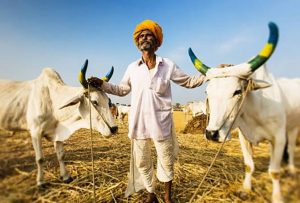
Union Minister for Fisheries, Animal Husbandry and Dairying launched the Pashudhan Bima Portal in New Delhi.
- A centralized, single-window e-governance portal designed to digitize and manage the entire lifecycle of livestock insurance—ranging from farmer application submission and policy underwriting to grievance redressal, claim verification, and payout processing.
- Developed and administered by the Department of Animal Husbandry and Dairying (DAHD).
- Aim is to bring transparency, efficiency, and accountability into livestock risk underwriting, reduce delays and fraud in claim settlements, protect rural households against economic shocks arising from livestock mortality, and enhance dairy farmers’ income sustainability.
- Brings livestock farmers, State Animal Husbandry Departments, insurers and veterinary officers onto a common digital platform, enabling coordinated insurance administration.
- Paperless End-to-End Digital Workflow: Digitises the entire insurance cycle, from applications and premium calculation to policy issuance, death claims and post-mortem certification, reducing paperwork and delays.
- Enables real-time monitoring of claims and settlement status through auditable digital records, helping accelerate processing and reduce disputes and pending cases.
- Available in 13 languages, including 11 regional languages plus Hindi and English, making livestock insurance more accessible to pastoralists and rural livestock owners.
- Links with the Bharat Pashudhan database and 12-digit ear-tag identification system, helping verify animals and prevent duplicate policies or fraudulent mortality claims.
International Day of Awareness of Food Loss and Waste:
On the International Day of Awareness of Food Loss and Waste (September 29), an FAO assessment highlighted India’s need to reduce post-harvest food loss and urban food waste.Occurs primarily along the upstream supply chain—from post-harvest handling, storage, moisture spoilage, processing, and transportation to wholesale distribution before reaching the retail stage.Takes place at the downstream consumption end—in retail outlets, supermarkets, hotels, restaurants, catering services, and domestic households.
Musical Instrument Mandar : GI Tag
Jharkhand’s traditional folk percussion instrument, the ‘Mandar’, has officially been granted the Geographical Indication (GI) tag by the Geographical Indications Registry in Chennai.It is a traditional, centuries-old double-headed barrel/cylindrical folk drum (percussion instrument) crafted primarily from red clay and leather, recognized as one of the oldest musical heritage instruments of eastern India.Across Jharkhand (prominently across the Chotanagpur plateau), with its traditional artisanal production centered in Jarjatta village, Raidih block, Gumla district, where generational families preserve the craft.
Steel Industry Safety Council:
The Ministry of Steel has decided to establish the Steel Industry Safety Council (SISC) as an apex-level industry safety body to strengthen safety standards, accident prevention and safety culture across India’s steel industry.The Steel Industry Safety Council (SISC) will function under the administrative control of the Ministry of Steel and will focus on improving safety practices, developing standards and reducing industrial accidents.The Council will be headed by the Secretary, Ministry of Steel, as Chairman and will include senior officials, CEOs of integrated steel producers, and representatives from key technical and statutory organisations such as the Directorate General of Mines Safety (DGMS), Petroleum and Explosives Safety Organisation (PESO), National Disaster Management Authority (NDMA) and recognised steel technology institutions.It will assess safety conditions in the steel industry, conduct studies, approve safety standards and recommended practices, and review serious accidents and near-miss incidents. Steel Industry Safety Directorate a technical support body will be established to provide expertise in process safety, blast furnaces, steel melting, rolling mills, coke ovens, electrical and mechanical safety, occupational health, fire engineering and disaster management.It will implement Council decisions, conduct safety audits, investigate serious incidents, maintain accident and near-miss databases, review emergency preparedness and strengthen safety training programmes. SISD will prepare and issue Steel Industry Safety Standards, Recommended Practices and Guidelines suited to Indian conditions to ensure uniform safety practices across the sector.
Need to Revisit India’s Nuclear Doctrine:
India’s nuclear doctrine, largely unchanged since its operationalisation in 2003, is facing renewed scrutiny amid evolving strategic, technological and geopolitical challenges.The Bangladesh-US Memorandum of Understanding (MoU) on strategic civil nuclear cooperation signed in September 2026 is part of the changing regional security environment, prompting debate on whether India’s nuclear doctrine should be revisited without being completely overhauled.India’s nuclear doctrine, based on No First Use (NFU), Credible Minimum Deterrence (CMD) and Massive Retaliation, faces new challenges from China-Pakistan nuclear convergence, Tactical Nuclear Weapons (TNWs) and emerging technologies.India needs periodic doctrinal review, a stronger nuclear triad and second-strike capability, resilient NC3 systems, and flexible response options to maintain credible deterrence while preserving strategic stability. India’s nuclear doctrine emerged in the late 1990s. The 1998 Pokhran-II tests established India as a nuclear weapons state, while the 1999 Kargil War demonstrated that nuclear deterrence did not rule out conventional conflicts.The Cabinet Committee on Security (CCS) operationalised the doctrine in 2003, based on the 1999 Draft Nuclear Doctrine. The doctrine rests on the pillars of “credible minimum deterrence” and a declared “No First Use” (NFU) posture.