
Nanda Devi Biosphere Reserve:
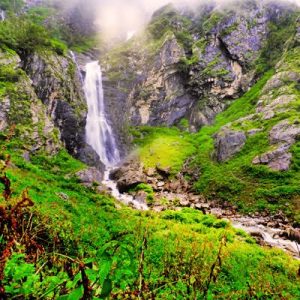
A new report “Nanda Devi Biosphere Decadal Monitoring Campaign 2026”, has found that landslide-prone zones in the core have nearly doubled over the past decade.
- Nanda Devi Biosphere Reserve is one of India’s most important protected mountain ecosystems located in the Western Himalayas of Uttarakhand.
- It includes the Nanda Devi National Park and the Valley of Flowers National Park, both of which are designated as UNESCO World Heritage Sites.
- The reserve is recognised under UNESCO’s Man and the Biosphere (MAB) Programme.
- It consists of rugged mountain ranges, deep gorges, glaciers and snow-covered peaks.
- Glaciers: Numerous glaciers, including the Uttari Rishi, Dakshini Rishi, Trisul and Ramani
- Vegetation: Alpine meadows (Bugyals), temperate forests and sub-alpine vegetation dominate the landscape.
- Rivers: The Rishi Ganga River originates from the glaciers within the Nanda Devi Sanctuary. It joins the Dhauliganga River, which is a tributary of the Alaknanda River.
- Flora: Temperate forests contain oak, deodar, blue pine, fir, spruce and rhododendron.
- Fauna: Snow Leopard, Himalayan Musk Deer, Himalayan Tahr, Bharal (Blue Sheep), Asiatic Black Bear and Common Leopard.