
Air Pollution in India : Report
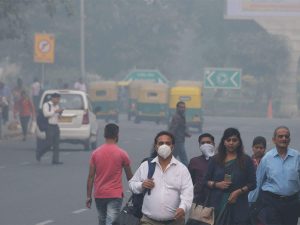
An analysis by the Centre for Research on Energy and Clean Air (CREA), a Finland-based independent research group, found that 204 out of 238 Indian cities failed to meet national air quality standards during winter 2025–26.
- The analysis used data from the Central Pollution Control Board (CPCB) collected through Continuous Ambient Air Quality Monitoring Stations (CAAQMS), and the findings highlight the severity of winter air pollution across India.
Key Findings of the CREA Analysis:
- During the winter period, 204 out of 238 cities recorded average PM2.5 levels exceeding the Indian National Ambient Air Quality Standard (NAAQS) of 40 µg/m³.
- Not a single city out of the 238 analyzed managed to meet the World Health Organization’s (WHO) safe PM2.5 standard of 5 µg/m³.
- Ghaziabad emerged as the most polluted city in the country with an average PM2.5 concentration of 172 µg/m³. It was closely followed by Noida (166 µg/m³) and Delhi (163 µg/m³).
- The majority of India’s economic hubs struggled with toxic air. Delhi (163 µg/m³), Kolkata (78 µg/m³), Mumbai (48 µg/m³), and Chennai (44 µg/m³) all recorded winter PM2.5 concentrations above the national standard.
- Chamarajanagar in Karnataka was recorded as the cleanest city in India during the winter season, boasting an average PM2.5 concentration of just 19 µg/m³.
- Bengaluru was the only megacity to keep its air quality slightly below the NAAQS limit, recording an average PM2.5 concentration of 39 µg/m³.
- Southern and Central/Northeastern India performed the best.
- The ten cleanest cities included eight from Karnataka, one from Madhya Pradesh, and one from Meghalaya.



