
Hypercapnic Hypoxia in Mangroves:
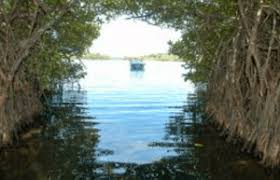
A new study revealed that most mangrove sites already experiencing mild or severe hypercapnic Hypoxia.
- Hypercapnic Hypoxia is a high CO₂ and low oxygen state.
- It pushes estuaries into a stressful chemical state.
- It mostly occurs during low tide, at low-salinity sites and in warm tropical regions.
- Causes: Rising Co2 level due to climate change and Temperature Increase
- It threatens fish nurseries in mangrove ecosystems
- It reduces biodiversity and habitat quality for fish
- It shifts mangrove species composition away from large reef-associated species.
- Mangroves are salt-tolerant trees and shrubs that grow in coastal intertidal zones, primarily in tropical and subtropical regions.
- These unique ecosystems thrive in saline or brackish waters, withstanding harsh environmental conditions such as tidal fluctuations, high salinity, and low oxygen levels in the soil.
- Mangrove forests act as a crucial buffer between land and sea, providing habitat for various marine and terrestrial species.



