
Nagauri Ashwagandha : GI Tag
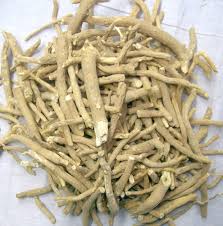
The Centre has officially granted a Geographical Indication (GI) tag to ‘Nagauri Ashwagandha’.
- Nagauri Ashwagandha is mainly grown in the Nagaur district of Rajasthan.
- Nagaur’s dry climate and sandy soil are ideally suited for Ashwagandha cultivation.
- It has longer, thicker roots rich in medicinal compounds, particularly alkaloids.
- Its berries are known for their dark, bright red colour, which is considered a clear indicator of superior quality.
- It has brittle and starchy roots. The ‘Nagori Ashwagandha’ is the supreme among all Ashwagandha varieties in arid region.
- Ashwagandha (Withania somnifera) is an important ancient plant
- Other names: Indian ginseng or Indian winter cherry
- It grows in dry and sub-tropical regions.
- It grows well in sandy loam or light red soil having pH 7.5 to 8.0 with good drainage.
- It is grown as late rainy season (kharif) crop.
- The semi-tropical areas receiving 500 to 750 mm rainfall are suitable for its cultivation as rainfed crop.
- It can tolerate a temperature range of 20 to 38 degree Celsius.
- Major Ashwagandha Producing states: Madhya Pradesh, Rajasthan, Punjab, Haryana, Uttar Pradesh, Gujarat, Maharashtra and Madhya Pradesh are the of the country.
- Benefits of Ashwagandha:
- It has been in use as a medicinal plant for thousands of years, especially in traditional Ayurvedic medicine.
- It is often called an adaptogen, meaning it helps the body adapt to stressors and restore balance.
- Its other benefits are reducing inflammation, increasing energy, alleviating anxiety, ease pain, and improving sleep.
- Different parts of the ashwagandha plant, such as the root, leaves, and berries, may have different concentrations of bioactive compounds.



