
Sarhul Festival 2026:
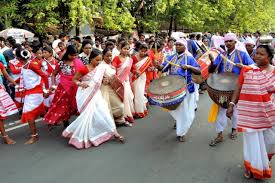
The President of India extended greetings to the countrymen on the occasion of the Sarhul festival.
- Sarhul, literally “worship of the Sal tree”, is among the most revered Adivasi festivals.
- It is rooted in nature worship and celebrates the symbolic union of the Sun and the Earth.
- Sarhul marks the renewal of life.
- The Sal tree is revered as the abode of Sama Maa, the village-protecting deity.
- It is celebrated by various tribes, including the Oraon, Munda, Santal, Khadia, and Ho, each with unique names and traditions associated with the festival.
- A pahan (male priest) represents the Sun, while his wife (pahen) symbolizes the Earth, signifying the essential connection between sunlight and soil for sustaining life.
- Sarhul is celebrated in Jharkhand and parts of Odisha, West Bengal, and Chhattisgarh.
- Three-Day Festival:
- Day 1 – Preparations begin, with homes and Sarna Sthals cleaned, Sal flowers gathered, and the village priest (pahan) observing a strict fast.
- Day 2 – Main rituals are performed at Sarna Sthals (Sacred Groves), including sacrifices, prayers for prosperity, and cultural performances.
- Day 3 – Concludes with a community feast, featuring Handia (rice beer), ceremonial fishing, and traditional Adivasi cuisine.
- Only after its rituals are completed do Adivasis begin agricultural activities like ploughing, sowing, and forest gathering, emphasizing the festival’s deep ties to nature and sustenance.



