
WTO’s 14th Ministerial Conference:
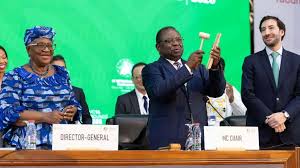
The 14th Ministerial Conference (MC14) of the World Trade Organization (WTO) in Yaoundé (Cameroon) ended without consensus due to disagreements over the e-commerce moratorium.
- Simultaneously, India strongly cautioned WTO members against the weaponisation of ‘transparency’ norms to justify trade retaliation or challenge the legitimate domestic policies of developing nations.
- Discussions on key agenda items have been postponed to the next General Council (GC) meeting in Geneva.
Key Outcomes of the 14th Ministerial Conference of the WTO:
- Lapse of the E-Commerce Moratorium: Due to the lack of consensus, the decades-old e-commerce moratorium (in place since 1998) has expired for the first time in 26 years.
- WTO members will theoretically no longer be legally prevented from taxing electronic transmissions.
- The safeguard against non-violation complaints under the Trade-Related Aspects of Intellectual Property Rights (TRIPS) agreement also lapsed.
- Developing countries have historically relied on this safeguard to protect policy space in public health, ensuring that WTO-compliant measures like compulsory licensing cannot be easily challenged.
- Ministers agreed to continue negotiations on reducing subsidies for distant water fishing fleets, with the aim of making concrete recommendations at the 15th Ministerial Conference (MC15).
- India strongly opposed the incorporation of the China-led IFD agreement into the WTO framework, stating it risks eroding the functional limits and foundational multilateral principles of the WTO.
- Despite the lapse of the multilateral e-commerce tax ban, a smaller coalition of participating nations (66 members, covering approximately 70% of global trade) made progress on the plurilateral WTO Agreement on Electronic Commerce.
- The Agreement seeks to establish common global rules for digital trade, including data flows, online transactions, and consumer protection.
- India and African nations have strongly demanded a permanent solution on Public Stockholding (PSH) for food security, allowing greater flexibility in domestic food subsidies without being penalised under WTO rules.
- Developing nations continue to face market access barriers, climate shocks, and distortions caused by high trade-distorting subsidies in developed countries.
- Developed nations have shown little support for expanding PSH flexibilities.



