
Today’s Current Affairs: 9th April 2026 for UPSC IAS exams, State PSC exams, SSC CGL, State SSC, RRB, Railways, Banking Exam & IBPS, etc
Table of Contents
Telecom Regulatory Authority of India : In News
The Telecom Regulatory Authority of India (TRAI) has released the Draft Telecom Consumer Protection (Thirteenth Amendment) Regulation, 2026.
- It was established under the Telecom Regulatory Authority of India Act, 1997, passed by Parliament.
- Mandate is to regulate telecom services in India, including tariff fixation/revision, this was earlier the domain of the Central Government.
- TRAI’s mission is to create and nurture conditions for growth of telecommunications in the country in a manner and at a pace which will enable India to play a leading role in emerging global information society.
- Functions of TRAI:
- Scope of regulation: Covers areas like tariffs, quality of service, interconnection, spectrum management, and consumer protection in the telecom sector.
- Policy role: Issues regulations, recommendations, and orders that guide telecom policy-making and market practices.
- Composition of TRAI
- Chairman: It consists of a Chairperson, a maximum of two full-time members, and two part-time members.
- Tenure: Members serve for three yearsor until the age of 65 years, whichever is earlier.
- Appointments are made by the Central Government.
- The TRAI Act was amended by an ordinance, and established a Telecommunications Dispute Settlement and Appellate Tribunal (TDSAT).
- TDSAT was set up to adjudicate any dispute between a licensor and a licensee, between two or more service providers, between a service provider and a group of consumers, and to hear and dispose of appeals against any direction, decision or order of TRAI.
Production Linked Incentive Scheme for the Food Processing Industry:

The Production Linked Incentive Scheme for the Food Processing Industry (PLISFPI) has shown encouraging results, with cumulative investment exceeding nine thousand crore rupees against a committed investment of around seven thousand crore rupees.
- It was launched by the Ministry of Food Processing Industries.
- It is a major initiative aimed at strengthening India’s food processing sector, promoting Indian brands in global markets, and creating global food manufacturing champions.
- It focuses on increasing value addition in the food processing sector, expanding processing capacity, and generating employment, particularly in rural areas and off-farm sectors.
- Financial Outlay and Time Period: The scheme is being implemented for a period of six years from FY 2021–22 to FY 2026–27.
- Objectives:
- Support Food manufacturing entities with stipulated minimum Sales and willing to make minimum stipulated investment for expansion of processing capacity and Branding abroad to incentivise emergence of strong Indian brands.
- Strengthen select Indian brand of food products for global visibility and wider acceptance in the international markets;
- Increase employment opportunities of off-farm jobs,
- Ensuring remunerative prices of farm produce and higher income to farmers.
- The components of the Scheme are:
- Incentivising manufacturing of four major food product segments Ready to Cook/ Ready to Eat (RTC/RTE) foods, Processed Fruits & Vegetables, Marine Products and Mozzarella Cheese.
- To production of Innovative / Organic products of SMEs
- To support branding and marketing abroad to incentivize emergence of strong Indian brands for in-store Branding, shelf space renting and marketing.
- Under the scheme, a total of 128 companies have been approved, covering 274 units across the country.
Poshan Pakhwada:
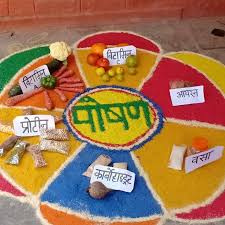
The Ministry of Women and Child Development will commemorate the 8th edition of Poshan Pakhwada from 9th to 23rd April 2026.
- It is celebrated in the month of March/April for 15 days.
- It aims to raise awareness about the importance of nutrition and promote healthy eating habits through Jan Andolan and Jan Bhagidari.
- Nodal Ministry: Ministry of Women and Child Development
- The theme for Poshan Pakhwada 2026 is “Maximizing Brain Development in the First Six Years of Life”.
- The key focus areas under this year’s theme include:
- Maternal and Child Nutrition: Promoting optimal nutrition during pregnancy, exclusive breastfeeding, and age-appropriate complementary feeding.
- Early Stimulation for Brain Development (0–3 years): Encouraging responsive caregiving and early learning interactions.
- Play-Based Education in Early Years (3–6 years) : Supporting holistic development and school readiness.
- Role of Parents and Community in Minimising Screen Time: Promoting healthy habits and active engagement.
- Strengthening Anganwadi Centres through Community Participation: Enhancing infrastructure and service delivery through Jan Bhagidari and CSR
Umred–Pauni–Karhandla Wildlife Sanctuary:

A melanistic (black-colored) spotted deer, commonly known as a chital, has been spotted at the Umred–Pauni–Karhandla Wildlife Sanctuary near Nagpur.
- Umred–Pauni–Karhandla Wildlife Sanctuary is spread over Pauni tehsil in Bhandara district and Umred, Kuhi, and Bhivapur Taluka of Nagpur district.
- It is surrounded by the Wainganga River and the Gose Khurd Dam along the northeast boundaries of the sanctuary.
- The forest along the Wainganga River connects this sanctuary to the Tadoba Andhari Tiger Reserve.
- The forest hosts teak, bamboo, tendu, mahua, and other indigenous tree species.
- The sanctuary is home to resident breeding tigers, herds of Gaur, wild dogs, and also rare animals like flying squirrels, pangolins, and honey badgers
Pradhan Mantri Mudra Yojana : Completed 11 Years
The Pradhan Mantri Mudra Yojana (PMMY) — completed 11 Years of empowering Small and Micro Entrepreneurs.
- Pradhan Mantri Mudra Yojana was launched in 2015.
- It is the flagship programme of the central government aimed at funding the Unfunded microenterprises and small businesses.
- Any Indian citizen who has a business plan for a non-farm sector income generating activity such as manufacturing, processing, trading or service sector can avail loans under this scheme.
- Features of Pradhan Mantri Mudra Yojana:
- MUDRA loans are being offered in four categories namely, ‘Shishu’, ‘Kishor’, ‘Tarun’ and ‘TarunPlus’
- Shishu: covering loans upto Rs. 50,000/-
- Kishor: covering loans above Rs. 50,000/- and up to Rs. 5 lakhs
- Tarun: covering loans above Rs.5 lakh and upto Rs.10 lakhs
- TarunPlus: covering loans above Rs.10 lakh and upto Rs.20 lakhs
- Loans cover term financing and working capital needs across manufacturing, trading and service sectors, including activities allied to agriculture like poultry, dairy, and beekeeping, etc.
- These loans are given by Commercial Banks, RRBs, Small Finance Banks, MFIs and NBFCs.
- The interest rate is governed by RBI guidelines, with flexible repayment terms.
- MUDRA, which stands for Micro Units Development & Refinance Agency Ltd, is a financial institution set up by the Government of India under PMMY for development and refinancing micro unit enterprises.
Shellear fish:
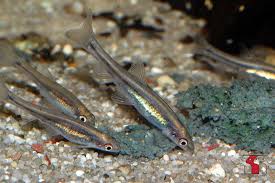
Scientists have confirmed that shellear fish climb a vertical waterfall 15 metres (50 feet) tall in the Democratic Republic of Congo.
- Shellear fish, whose scientific name is Parakneria thysi.
- It is found in the upper Congo Basin (particularly Luvilombo Falls on the Luvilombo River).
- It is a benthopelagic; freshwater species.
- Shellear’s climbing abilities are made possible by tiny, hook-like projections on specialized pads on their pectoral and pelvic fins, along with hypertrophied muscles that enable them to carry their weight.
- The researchers said the fish may climb upstream to find suitable living conditions and areas of the waterway with less competition and fewer predators.
- The researchers identified two major human threats to the species:
- Illegal fishing using fine-mesh mosquito nets that can easily catch the fish,
- Water extraction for irrigation which has in some years depleted the Luvilombo River
INS Sunayna:

The Indian Navy’s offshore patrol vessel INS Sunayna reached Male as part of its deployment under the Indian Ocean Ship (IOS) SAGAR initiative.
- It is the second Saryu-class offshore patrol vessel of the Indian Navy.
- It was designed and constructed indigenously by the Goa Shipyard Limited.
- It is based under Southern Naval Command.
- It is designed to undertake fleet support operations, coastal and offshore patrolling, ocean surveillance and monitoring of sea lines of communications and offshore assets, and escort duties.
- Features of INS Sunayna
- Propulsion: Two diesel engines propel INS Sunayna and enable it to achieve speeds in excess of 25 knots.
- The ship also has an automatic power management system and is fitted with the latest navigation, communication, and electronic support systems.
- Armament: The armament fit includes one 76 mm gun with an electro-optic fire control system, Close-in Weapon Systems (CIWS) and CHAFF launchers.
- It can also carry a helicopter.
Sanderling:
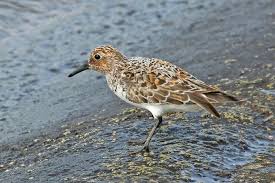
A tagged shorebird Sanderling that flew more than 7,400 km from South Australia has been spotted on the remote Narcondam Island in the Andaman and Nicobar archipelago.
- The sanderling (Calidris alba) is a small plump wading bird.
- Its name comes from Old English sand-yrðling and means “sand-ploughman”
- During the winter the sanderling is very pale, almost white apart from a dark shoulder patch. Later in the summer, the face and throat become brick-red.
- Its habitat ranges from moist sites with lots of vegetation to well-drained clay or gravel slopes, to the tops of stony ridges.
- It can also be found on tidal sand flats, mud flats, and the shores of lakes and rivers.
- It is mainly found in North America, Europe, Asia, South America, Africa, and
- These are complete migrants and travel from their breeding grounds to their wintering sites.
- Sanderlings are carnivores (mollusciovres, insectivores). They eat small crabs and other small invertebrates.
- Threats: Loss of wetland habitats, pollution of the environment as well as the pollution from pesticides.
- Conservation Status
- IUCN Red List: Least Concern
Oak Tree:
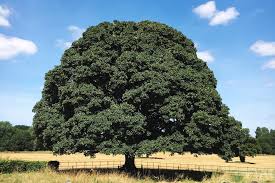
The Uttarakhand High Court stayed the felling of oak trees in Mussoorie for construction by the Municipal Council.
- Oak belongs to the genus Quercus in the Fagaceae family.
- Oaks are found in diverse habitats around the world, with a broad distribution in North America, Europe, Asia and parts of Africa.
- They can adapt to various climates, from temperate to subtropical regions.
- Oaks thrive in a variety of climates but are commonly found in temperate zones. They can endure cold winters and warm summers.
- Well-drained soil is essential for oaks. They can tolerate different soil types, including sandy, loamy, and clayey soils.
- These are the dominant, climax tree species of the moist temperate forests in the Indian Himalayan region.
- Various species of the Oak found in Uttarakhand are Banj oak, Moru oak, Kharsu oak, Rianj oak, and Phaliath oak.
- The species are providers of numerous ecosystem services such as conservation of soil, water, native flora and fauna, and serve as a lifeline for the local communities.
- Oak forests assist watershed protection by promoting the recharge of springs.
- Oak forests support a remarkably diverse web of life. Their trees host lichens, bryophytes, pteridophytes (all three being moss-like plants).
India’s Green Pathway: From Conservation to Climate Action
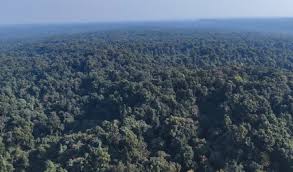
India’s evolving environmental strategy, highlighted in its “Green Pathway” approach, reflects a shift from conservation to integrated climate action. Amid rising climate challenges, India is aligning biodiversity protection with economic growth and sustainability.
- The country is also emerging as a key global voice on climate justice and sustainable development.
How is India Advancing Biodiversity Conservation and Sustainable Development? - Despite occupying only 2.4% of the global land area, India hosts about 8% of the world’s recorded species (over 96,000 animal and 47,000 plant species).
- Conservation is governed by the Biological Diversity Act (2002), aligning with the 1992 Convention on Biological Diversity (CBD).
- NBSAP 2024–2030: Launched at United Nations Convention to Combat Desertification (UNCCD) – COP 16 (Saudi Arabia) the updated National
- Biodiversity Strategy and Action Plan (NBSAP) aims to halt and reverse biodiversity loss by 2030, with a vision of living in harmony with nature by 2050.
- The roadmap targets ecosystem restoration, species recovery, wetland/coastal conservation, and stronger governance through local and national biodiversity committees.
Artemis II Surpasses Apollo 13 Distance Record:

NASA’s Artemis II Mission has set a new record for the farthest distance travelled by humans in space, surpassing the Apollo 13 milestone of 1970.
- The crew travelled beyond 248,655 miles from Earth, reaching a maximum distance of about 252,756 miles.
- Artemis II is NASA’s first crewed lunar mission since Apollo 17 (1972) and the 1st human flight under the Artemis programme, aimed at advancing human space exploration.
- The mission includes four astronauts, three from NASA and one from the Canadian Space Agency, on board the Orion spacecraft.
- Launched on 1st April, using the Space Launch System (SLS), the spacecraft follows a free-return lunar flyby trajectory around the Moon.
- The mission includes a close lunar approach (~4,067 miles), observation of the Moon’s far side, a solar eclipse, and a planned communication blackout.
- Data collected (images, telemetry, observations) will support future Artemis missions, including crewed lunar landings, and contribute to establishing a sustained human presence on the Moon.
World Health Day 2026:

On World Health Day 2026, experts stressed the need for a One Health approach to strengthen pandemic preparedness and ensure equitable healthcare access.
- World Health Day is celebrated annually on 7th April to mark the anniversary of the founding of the World Health Organization (WHO) in 1948. It aims to draw global attention to a specific health topic of concern to people all over the world, mobilizing efforts to address critical health challenges.
- World Health Day 2026 is themed “Together for health. Stand with science”, highlighting the role of scientific collaboration and the One Health approach in protecting global health.
- One Health is an integrated, unifying approach that aims to sustainably balance and optimize the health of people, animals, and ecosystems.
- It recognizes that the health of humans, domestic and wild animals, plants, and the wider environment are closely linked and interdependent.
- One Health enables comprehensive disease control and strengthens global health security.
- It is applied at community, subnational, national, regional, and global levels, and relies on coordination, collaboration, and shared governance for holistic and equitable solutions.
Groundwater Pollution:
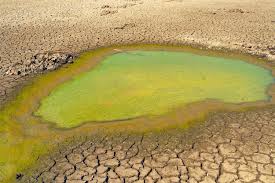
A Parliamentary Standing Committee has raised serious concerns over groundwater contamination in 4,949 villages across 8 states, highlighting rising levels of heavy metals, fluoride, and nitrates.Groundwater pollution refers to the contamination of water stored in aquifers, wells, and underground water-bearing layers due to the presence of harmful chemicals, heavy metals, pathogens, and agricultural pollutants.
Key Data / Stats:
- 4,949 villages across Assam, Bihar, Kerala, Odisha, Punjab, Rajasthan, Tripura, and West Bengal reported chemical contamination.
- Rajasthan has the highest number of affected districts.
- In Punjab, districts such as Fazilka, Ferozepur, Moga, and Patiala are affected by mercury, uranium, selenium, and cadmium.
- Monitoring over the last 5 years shows alarming increases in:
- Electrical Conductivity (EC)
- Fluoride (F)
- Nitrate (NO₃)
- CPCB teams found multiple groundwater samples with pH values beyond acceptable drinking water standards.
International Election Visitors’ Programme (IEVP), 2026:
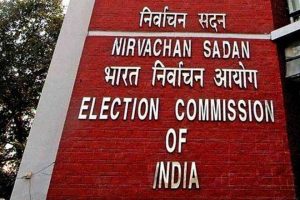
The Election Commission of India (ECI) has officially commenced the International Election Visitors’ Programme (IEVP), 2026 for the upcoming Legislative Assembly elections in Assam, Kerala, and Puducherry.
- The IEVP is a premier international outreach initiative where election managers from across the globe are invited to witness the conduct of Indian elections firsthand. It serves as a platform for knowledge exchange and South-South cooperation, allowing foreign delegates to observe the world’s largest democratic exercise in action.
- Organisation Involved: Election Commission of India (ECI)
- Aim:
- To familiarize international delegates with India’s best practices in election management, voter education, and technological integration.
- To demonstrate the integrity and transparency of the Indian electoral process to a global audience.
- To strengthen bilateral and multilateral ties with other Election Management Bodies (EMBs) through the Election Management diplomacy.
- Key Features:
- Two-Phase Field Visits:
- Phase I: Delegates visit Assam, Kerala, and Puducherry (April 2026).
- Phase II: Delegates visit West Bengal and Tamil Nadu (commencing late April 2026).
- Comprehensive Overview: The programme includes briefings on India’s electoral framework, institutional mechanisms, and operational architecture.
- Technological Showcase: A major focus is placed on the use of EVMS (Electronic Voting Machines) and VVPATs (Voter Verifiable Paper Audit Trails), along with digital tools like the cVIGIL app.
- Direct Observation: Delegates visit actual polling stations on election day to observe the queue management, security arrangements, and the process of voting and sealing machines.
- Interaction with Stakeholders: Includes meetings with state-level Chief Electoral Officers (CEOs) and District Election Officers (DEOs) to understand grassroots implementation.
- Two-Phase Field Visits:



