
Mustard Crop:
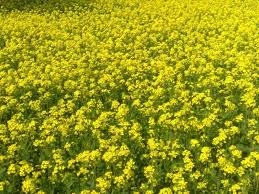
Mustard Crop increasingly susceptible to infestation by Orobanche aegyptiaca.
- It is a predominantly self-pollinating crop.
- Common Name: Sarason (Hindi), Rai (Punjabi), Katuku (Tamil), Kaduk (Malayalam), Avalu (Telugu).
Crop Season:Rabi season - Mustard seeds and its oil is used for culinary purpose. Young leaves are used for vegetable purpose. Its oil cake is used for feeding cattle.
- Sandy loam soil is the most ideal textural classification for the cultivation of mustard crop.
- Mustard thrives well in dry and chilled environmental conditions.
- It requires temperatures ranging between 10°C to 25°
- An annual rainfall between 625 to 1000 mm is suitable for cultivation of mustard crop.
- It is highly sensitive to frost damage.
- Major Mustard Production States: Rajasthan (largest producing state), Gujarat, Uttar Pradesh, West Bengal, Haryana, Punjab, Madhya Pradesh.
- Orobanche aegyptiaca is a parasitic weed that attaches to mustard roots and siphons off water and nutrients, leading to poor plant growth and reduced seed yields.
- This leads to wilting, yellowing, stunted plant growth and ultimately sharp declines in seed yields.
- This parasite remains hidden below the soil initially, damage is already extensive by the time it becomes visible.



