
Phosphorus:
Phosphorus accumulation in US farmland is causing significant water pollution.
- It is a highly reactive nonmetallic chemical element of the nitrogen family (Group 15 [Va] of the periodic table).
- It has the symbol P and atomic number 15.
- The two main forms of phosphorus are white phosphorus and red phosphorus.
- White phosphorus is a poisonous waxy solid, and contact with skin can cause severe burns. It glows in the dark and is spontaneously flammable when exposed to air.
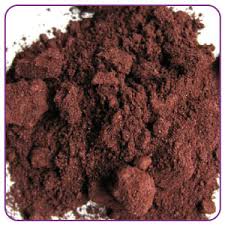
- Red phosphorus is an amorphous, non-toxic solid.
- White phosphorus is used in flares and incendiary devices.
- Red phosphorus is in the material stuck on the side of matchboxes, used to strike safety matches against to light them.
- By far the largest use of phosphorus compounds is for fertilisers.
- Ammonium phosphate is made from phosphate ores.
- The ores are first converted into phosphoric acids before being made into ammonium phosphate.
- Phosphorus is also important in the production of steel.
- Phosphates are ingredients in some detergents but are beginning to be phased out in some countries.
- This is because they can lead to high phosphate levels in natural water supplies, causing unwanted algae to grow.
- Phosphates are also used in the production of special glasses and fine chinawar
- The main function of phosphorus is in the formation of bones and teeth.
- It plays an important role in how the body uses carbohydrates and fats.
- It is also needed for the body to make protein for the growth, maintenance, and repair of cells and tissues.
- Phosphorus also helps the body make ATP, a molecule the body uses to store energy.
- Because phosphorus cannot naturally occur in the environment, it is typically mined from phosphates.
- Phosphates typically accumulate at the bottom of rivers and lakes, within different rocks, and in large mineral deposits around the world.
- Natural phosphates exist inside every living thing. They comprise DNA, RNA, ATP, phospholipids, and other compounds crucial for cellular function and, by extension, life.
- The main food sources are the protein food groups of meat and milk, as well as processed foods that contain sodium phosphate.



