
Bio-based Chemicals:
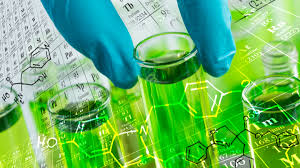
India has prioritised bio-based chemicals and enzymes as a priority area under the Department of Biotechnology’s BioE3 policy.
- Bio-based chemicals are industrial chemicals produced using biological feedstocks like sugarcane, corn, starch or biomass residues.
- These are often produced through fermentation or enzymatic processes.
- Examples: Organic acids (such as lactic acid), bio-alcohols, solvents, surfactants, and intermediates used in plastics, cosmetics, and pharmaceuticals.
- Unlike conventional chemicals, for which the largely available supplies are obtained through sources of fossil fuel, bio-based alternatives reflect a sustainable solution.
- The bio-based industry reduces reliance on fossil fuels by applying renewable feedstocks.
- Biobased methods generate much lower amounts of hazardous waste than the conventional petroleum-based methodologies.
- The production of biochemicals generally requires less energy than their corresponding petroleum-based equivalents.
Waste Minimization and Circular Economy: With bio-based chemicals mostly coming from organic waste resources, development of the circular economy will be based on recycling, efficiency in the use of resources. - Higher production cost compared to petrochemical alternative, which creates entry level barrier.
- Availability of reliable feedstocks and supporting infrastructure required to produce different categories of bio-based chemicals at scale.
- Uncertainty about adapting bio-based chemicals as substitute over fossil fuel based chemicals.



