
Hybrid Electric Vehicles:
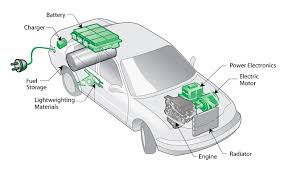
Delhi’s upcoming Electric Vehicle (HEV) policy plans to extend road tax and registration fee exemptions, currently available for battery electric vehicles (BEVs), to hybrid electric vehicles (HEVs) as well.
- A Hybrid Electric Vehicle (HEV) is an automobile that combines a conventional internal combustion engine (ICE) with an electric propulsion system to achieve better fuel efficiency and lower emissions, operating without the need for external charging.
- It seamlessly switches between or combines these power sources to optimize efficiency, leveraging the engine for extra range, and the motor for instant acceleration and noise-free driving.
- Unlike pure electric vehicles (EVs), a standard hybrid’s battery is self-charging. It does not need to be plugged in; it is replenished automatically through regenerative braking and, in some designs, by the gasoline engine acting as a generator.
- During braking, the electric motor acts as a generator, converting the vehicle’s kinetic energy (which would otherwise be lost as heat) into electricity to recharge the battery.
Types of Hybrid Configurations:
- Parallel Hybrid: Both the engine and the electric motor are mechanically connected to the wheels, allowing them to power the vehicle either independently or simultaneously. While some short electric-only driving is possible, the motor typically acts as an assist to the engine.
- Series-Parallel (Power-Split) Hybrid: It can intelligently switch between modes—running on electric power alone, using the engine to generate electricity for the motor (series mode), or having both power sources drive the wheels directly (parallel mode).
- Plug-in Hybrid Electric Vehicle (PHEV): Its defining characteristic is the ability to be recharged externally via a plug, in addition to being charged by the engine and regenerative braking. PHEVs can use any hybrid architecture (parallel, series, or series-parallel) and offer the dual benefit of electric commuting and unlimited hybrid range for longer trips.
Advantages:
- Hybrids deliver excellent fuel economy—especially in city driving—and lower emissions through features like regenerative braking, while eliminating the range anxiety associated with pure electric vehicles. Additional benefits include reduced brake wear and, depending on the type and location, potential eligibility for government incentives such as tax credits.



