
Melanoma:
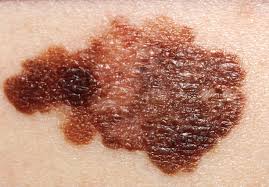
A recent study led by scientists at the U.S. National Institutes of Health reported that cholesterol in the membrane around the cell nucleus helps in spreading melanoma.
- Melanoma is a kind of skin cancer that starts in the melanocytes.
- Melanocytes are cells that make the pigment that gives skin its color. The pigment is called melanin.
- It typically starts on skin that’s often exposed to the sun. This includes the skin on the arms, back, face and legs.
- Rarely, it can happen inside the body, such as in the nose or throat.
- The exact cause of all melanomas isn’t clear.
- Most melanomas are caused by exposure to ultraviolet light. Ultraviolet light, also called UV light, comes from sunlight or tanning lamps and beds
- The first melanoma signs and symptoms often are:
- A change in an existing mole.
- The development of a new pigmented or unusual-looking growth on the skin.
- It doesn’t always begin as a mole. It also can happen on otherwise healthy skin.
- Treatments for melanoma
- Melanoma Surgery: In the early stages, surgery has a high probability of being able to cure melanoma.
- Lymphadenectomy: In cases where melanoma has spread, removal of the lymph nodes near the primary diagnosis site may be required.
- Metastasectomy: It is used to remove small melanoma bits from organs.



