
Shigellosis : Outbreak
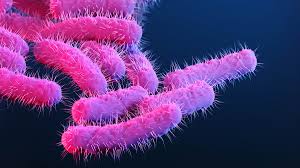
An outbreak of shigellosis, or shigella infection has been reported in Kerala.
- Shigellosis is an infection caused by the Shigella bacteria.
- It is highly contagious, causes acute diarrhoea, and can affect anyone, but children under five are particularly susceptible.
- It is one of the leading bacterial causes of diarrhoea worldwide.
- Humans are the only natural reservoir of the Shigella bacteria.
- The disease may be more severe in young children, older adults, immune-compromised individuals or malnourished persons.
- The infection is transmitted through direct, close contact with infected individuals, through the faecal-oral route and through sexual contact.
- It can also spread through contaminated food and water or contact with faeces of an infected person.
- The most common symptoms is diarrhoea, which can be bloody, contain mucus and last for a prolonged period of three days or more.
- Other symptoms include stomach cramps, vomiting, fever and feeling the need to pass stool even when the bowels are empty.
- It is typically self-limiting, which means in most mild cases.
- Medicines, including antibiotics may be prescribed for a serious infection.



