
Vitamin E : Study
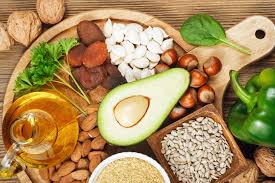
Researchers recently found that a daily 300 mg dose of vitamin E improves liver tissue in adults with metabolic dysfunction-associated steatohepatitis, a serious form of fatty liver disease where fat buildup triggers inflammation and damage in the liver.
- It is a fat-soluble vitamin with several forms, but alpha-tocopherol is the only one used by the human body.
- The body stores vitamin E in fatty tissue and the liver.
- The main role of vitamin E is to act as an antioxidant, scavenging loose electrons—so-called “free radicals”—that can damage cells.
- Vitamin E helps keep your immune system healthy, promotes good eye health, and supports healthy skin.
- It helps form red blood cells and widen blood vessels to keep blood from clotting inside
- It helps the body use vitamin K.
- Food Sources:
- Foods rich in vitamin E include vegetable oils such as canola and olive oils, nuts, and seeds.
- Meats, dairy, leafy greens, and fortified cereals also have vitamin E.
- People who have digestive disorders or do not absorb fat properly (e.g., pancreatitis, cystic fibrosis, celiac disease) can develop a vitamin E deficiency.
- The following are common signs of a deficiency:
- Retinopathy (damage to the retina of the eyes that can impair vision)
- Peripheral neuropathy (damage to the peripheral nerves, usually in the hands or feet, causing weakness or pain)
- Ataxia (loss of control of body movements)
- Decreased immune function



