
Screw Pine:
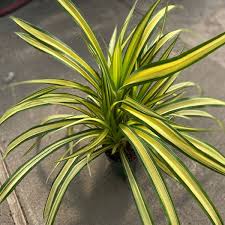
It was observed that farmers in Odisha’s Ganjam district have switched from paddy to kewra cultivation or Screw Pine cultivation due to repeated crop raids by wild boars.
- The Screw Pine or kewra or kewda plant (pandanus odorifer) is a small branched tree or shrub.
- It is a common species of the family Pandanaceae.
- It is a monocot, more closely related to grasses and palms than to conifers.
- It grows naturally in tropical coastal environments.
- It is a small, slender, branching tree with a flexuous trunk supported by brace roots.
- With rosettes of long-pointed, stiffly leathery, spiny, bluish-green, fragrant leaves.
- It is known for its distinctive prop roots and long, narrow leaves.
- It is found wild in southern India, Burma and the Andamans.
- It grows abundantly in the coastal regions of Orissa, especially along the Ganjam coast between Rushikulya river to the north and Bahuda river to the south.
- It requires bright, direct sunlight and thrives in warm, humid conditions.
- It prefers loamy soil that is rich in organic matter and retains moisture well.
- Moderate rainfall (1,500–2,000 mm annually)
- It is widely used to flavour food, in the aromatic, perfumery and cosmetics industry as well as in Ayurvedic medicines.
- The flowers (only male) are used to extract fragrance/oil.
- The leaves of the plant are used to make mats, baskets and bags.
- It plays a vital role in stabilising shorelines and supporting biodiversity — making it a keystone species in Indian coastal ecosystems.



