
Planetary Climate Vital Signs Report 2026:
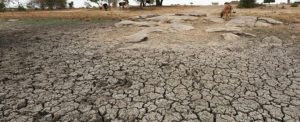
A new global climate assessment released during the Bonn Climate Change Conference (SB64), 2026 warns that all major planetary climate indicators have worsened since the last IPCC assessment cycle.
- The Planetary Climate Vital Signs Report 2026 is a global scientific assessment published in Earth System Science Data by around 70 scientists from 17 countries.
- It provides updated measurements of key climate indicators between IPCC assessment cycles, offering policymakers real-time evidence on global warming, greenhouse gas emissions, and climate extremes.
Key Findings:
- All 11 Major Climate Indicators Worsened: Every climate indicator assessed recorded deterioration since the IPCC Sixth Assessment Report, confirming an accelerating climate crisis.
- Marine Heatwaves Recorded the Sharpest Increase: Marine heatwaves increased by 1%, making them the fastest-worsening climate indicator globally.
- Earth’sEnergy Imbalance Reached Record Levels: Earth’s Energy Imbalance rose by 8%, indicating faster accumulation of heat within the climate system.
- Global Temperatures Continue to Rise: Maximum daily temperatures increased by 9%, while human-induced warming reached 1.37°C above pre-industrial levels in 2025.
- Greenhouse Gas Concentrations Hit New Highs: Global emissions reached an all-time high of 8 billion tonnes CO₂-equivalent, driven largely by fossil fuel combustion.
- Crossing the 1.5°C Threshold is Imminent: Current trends indicate the world could exceed the Paris Agreement’s 1.5°C warming limit within approximately four years.
- Land and Ocean Warming Intensifying: Average land temperatures rose by 81°C, while ocean temperatures increased by 1.03°C during 2016–2025.
- Indian Ocean Approaching Permanent Marine Heatwave State: Studies suggest the Indian Ocean may experience 220–250 marine heatwave days annually by 2100, compared to around 20 days historically.