
One-Horned Rhinoceros:
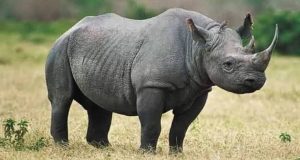
The central government approved a landmark conservation initiative to create a DNA-based indexing system for the greater one-horned rhinoceros.
- One-Horned Rhinoceros greater one-horned rhino, also known as Indian rhinoceros, is the largest of the three Asian rhinos.
- It is found in semi-aquatic and often take up residence in swamps, forests, riversides, and anywhere that is near nutritious mineral licks.
- It can be found in India and Nepal, particularly in the foothills of the Himalayas.
- In the past, Greater one-horned rhinos roamed freely in the floodplains and forests alongside the Brahmaputra, Ganges, and Indus River valley.
- Kaziranga National Park in Assam, India, contains the largest population.
- It is identified by a single black horn and a grey-brown hide with skin folds, which gives it an armor-plated appearance.
- The species is solitary, except for females with small calves. Males maintain loosely defended territories.
- Indian rhinos are herbivores (graminivores, folivores, frugivores, lignivores). They eat grass, leaves, fruit, branches, aquatic plants, as well as cultivated crops.
- Threats: Hunting is largely responsible for the Indian rhino decline.
- Conservation Status:
- IUCN: Vulnerable



