
Rani Avanti Bai Lodhi:
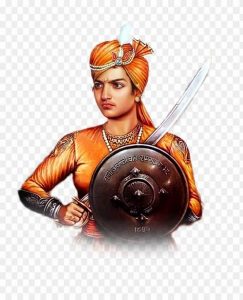
Defence Minister Rajnath Singh paid tribute to Rani Avanti Bai Lodhi, describing her patriotism and bravery as values that transcend social, caste and gender boundaries
- Rani Avanti Bai Lodhi was born on 16th August 1831 in Manakhedi village of Seoni district, Madhya Pradesh. Her father, Rao Jujhar Singh, was a zamindar, and her mother was Krishna Bai.
- From childhood, she developed skills in horse riding, sword fighting and administration, which later helped her in leading resistance against British rule.
- She married Vikramaditya Singh, son of King Lakshman Singh of Ramgarh princely state. After Vikramaditya Singh became king but remained ill due to health issues, Rani Avanti Bai took charge of the administration. The couple had two sons — Aman Singh and Sher Singh.
- British authorities brought Ramgarh under the Court of Wards system, declaring the king incapable of ruling and his heirs minors. Rani Avanti Bai opposed British control, removed British-appointed officials from Ramgarh and took over administration.
- She refused to accept British administrative control and encouraged farmers not to follow British revenue-related orders. This increased her popularity among the people.
- During the Revolt of 1857, she organised resistance against British rule and sent letters along with two black bangles to local rulers, zamindars, and landlords, urging them either to fight the British or accept defeat by wearing bangles.
- On 23rd November 1857, Rani Avanti Bai and her forces defeated the British army led by Mandla Deputy Commissioner Waddington in the Battle of Kheri, demonstrating her ability to organise armed resistance against British forces.
- In March 1858, British forces launched a major attack against Rani Avanti Bai and her troops. When surrounded by the enemy and facing certain capture, she chose self-sacrifice rather than surrender, becoming a symbol of resistance against colonial rule.
- Rani Avanti Bai Lodhi is remembered for her courage, leadership, self-respect and commitment to the freedom struggle. Her role highlights the contribution of women and regional leaders in India’s anti-colonial movement.
- Her legacy continues to be honoured through memorials, institutions and public celebrations, including initiatives such as the Rani Avanti Bai Lodhi Women’s Battalion of the Uttar Pradesh Provincial Armed Constabulary (PAC) at Badaun.



