
What are Dermatophytes?
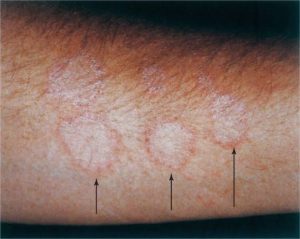
For a long time, fungal infections have meant itchy skin, discoloured nails and sometimes hair loss, a group of symptoms collectively called dermatophytosis, and are caused by a group of fungi called dermatophytes.
- Dermatophytes are a group of fungi that live off keratin, a substance in hair, nails and the outer layer of the skin.
- They don’t infect living tissue.
- They can cause skin lesions in humans and animals.
- Infections caused by dermatophytes are called dermatophytosis.
- The fungi use keratin as a carbon source and colonise keratinised tissue, such as hair, skin or nails.
- Major genera of dermatophytes include Trichophyton, Microsporum and Epidermophyton.
- Dermatophytes are highly contagious.
- Some dermatophytes are spread directly from one person to another (anthropophilic organisms).
- Others live in and are transmitted to humans from soil (geophilic organisms), and still others spread to humans from animal hosts (zoophilic organisms).
- Transmission of dermatophytes also can occur indirectly from fomites (e.g., upholstery, hairbrushes, hats).
- Anthropophilic organisms are responsible for most fungal skin infections.
- All dermatophytes infect host surfaces containing keratin, including skin, hair, and nails.
- As such, the same infecting organism could cause disease in the foot, fingernail, body, or head.
- Both climate and lifestyle contribute to the prevalence of dermatophyte infections.
- Tropical climates and overcrowding predispose populations to dermatophyte infections.
- Increased urbanization, including the use of occlusive footwear, community showers, and participation in sports, has been linked to higher prevalence of Tinea pedis and onychomycosis (nail infections).
- It is very rare for a dermatophyte to cause an invasive or disseminated infection, although cases in immunocompromised patients have been reported.
- Disease severity correlates with the ecological niche of the infecting dermatophyte.



