
What is Creatine?
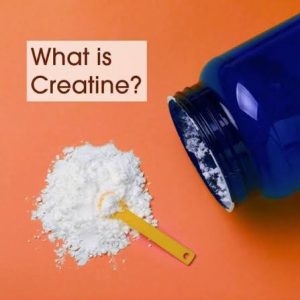
Creatine helped middle-aged adults gain muscle and strength even without a structured workout program in a new 12-week study.
- Creatine is a naturally occurring nitrogen-containing organic compound.
- It is a natural source of energy that helps skeletal muscles flex (contract).
- It helps create a steady supply of energy in muscles so they can keep working, especially while exercising.
- About half of body’s supply of creatine comes from the diet, especially protein-rich foods such as:
- Red meat
- Seafood
- Milk
- The body produces the other half naturally in the liver, kidneys, and pancreas from amino acids such as arginine, glycine, and methionine.
- Most creatine (about 95 percent) is stored in skeletal muscles as phosphocreatine.
- Phosphocreatine helps make adenosine triphosphate (ATP), the primary energy currency of cells.
- So creatine in the muscles normally is a supply for the energy needed during exercise.
- The rest of the creatine (about 5 percent) is stored in the heart, brain, and other tissues.



