
Sex Reversal in Animals:
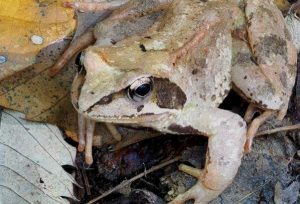
A new study published in Science Advances on wild agile frogs (Rana dalmatina) in Hungary revealed that climate change-induced sex reversal creates significant reproductive disadvantages and elevates extinction risks.
- A biological phenomenon where an individual organism develops anatomical and physiological sexual traits—including reproductive organs and fertility—that differ from its genetically determined chromosomal sex.
- Occurs in: Extensively documented across the animal kingdom, particularly among cold-blooded vertebrates (ectotherms) including amphibians, reptiles, and fish, as well as various invertebrates and certain bird species.
Working:
- Genetic Baseline: Sex is normally determined by inherited chromosomes, such as XX/XY in mammals and some frogs or ZZ/ZW in birds and some reptiles.
- Environmental Override: High temperatures during early development can interfere with genetic signals and hormones, changing how reproductive organs develop.
- Phenotypic Divergence: A genetically female (XX) animal may develop male reproductive organs and behaviour, or vice versa, sometimes remaining fertile.
Animals that Exhibit Sex Reversal:
- Amphibians: Agile frogs (Rana dalmatina), wood frogs, and common frogs.
- Reptiles: Central bearded dragons (Pogona vitticeps) and several agamid lizards.
- Fish: Clownfish, wrasses, and groupers.