
Cyborg Botany:
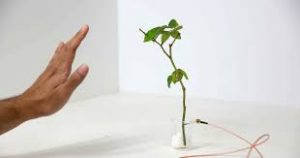
Scientists across many institutions are exploring the cyborg botany field which transforms plants into living circuit boards.
- Cyborg Botany is a hybrid system that integrates living plants with electronic components.
- It is an intersection of biology, materials science, and engineering.
- The word ‘cyborg’ itself comes from ‘cybernetic organism’, a concept long associated with science fiction.
- Its goal is to use the biological processes of living plants and merge them with artificial electronic functionality.
- These can be directly embedded into plant cell walls, where they can function as biosensors, picking up biochemical changes as they happen.
- Certain conductive polymers such as PEDOT (a biodegradable, electrically conductive material) can act as living wires within plant tissue, carrying signals from the plant’s cells to an external device.
- Plants face two broad types of stress: biotic stress, such as pest infestations and disease, and abiotic stress, such as drought and extreme temperatures.
- If a sensor embedded in a crop plant could flag a moisture deficit or a disease signal days or weeks before the physical symptoms appear.
- Farmers could intervene early by applying water and nutrients or treatments only where and when they are needed.



