
International Criminal Court:
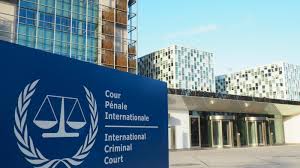
The International Criminal Court recently unsealed an arrest warrant against Senator Ronald Dela Rosa, accusing him, along with ex-President Rodrigo Duterte and other “co-perpetrators” of the “crime against humanity of murder”.
- It is a permanent and independent criminal court established to prosecute offenders of serious crimes in the international community.
- It is the only permanent international criminal tribunal.
- It was created by the Rome Statute, which came into force in 2002.
- ICC investigates and, where warranted, tries individuals charged with the gravest crimes of concern to the international community.
- Specifically, the ICC is intended to prosecute the following crimes:
- Genocide
- Crimes against humanity
- War crimes
- The crime of aggression
- The ICC is meant to serve as a last resort when the courts of sovereign states are unwilling to prosecute.
- Therefore, the ICC is complementary to national criminal jurisdiction and does not supersede it.
- Additionally, the ICC serves a different purpose than the International Court of Justice, which resolves conflicts between nations.
- Members: There are 125 member countries (China, India, Israel, Russia, and the United States are not ICC parties).
- Funding: The Court is funded by contributions from the States Parties and by voluntary contributions from Governments, international organizations, individuals, corporations, and other entities.
- The court has eighteen judges, each from a different member country, elected to non-renewable nine-year terms.
- The Presidency: Consists of three judges (the President and two Vice-Presidents) elected from among the judges. It represents the Court to the outside world and helps with the organization of the work of the judges.
- Office of the Prosecutor (OTP): OTP is responsible for receiving referrals and any substantiated information on crimes within the jurisdiction of the Court.
- OTP examines these referrals and information, conducts investigations, and conducts prosecutions before the Court.
- Registry: It provides administrative and operational support to the Chambers and the Office of the Prosecutor.
Jurisdiction: - The ICC is only competent to hear a case if:
- The country where the offence was committed is a party to the Rome Statute; or
- The perpetrator’s country of origin is a party to the Rome Statute.
- The ICC only has jurisdiction over offences committed after the Statute’s entry into force on 1 July 2002.