
Japan Eases Defense Export Rules:
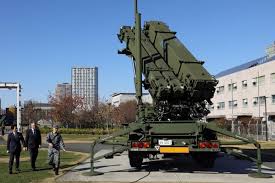
In a historic shift from its post-World War II pacifist stance, Japan officially scrapped the “five-category” restriction on arms exports in April 2026.
- This move authorizes the export of lethal weapons to third-party nations.
- After World War II, in the shadow of the devastation of Hiroshima and Nagasaki, Japan adopted a pacifist constitution. Article 9 renounces war and prohibits maintaining forces with war potential, expressing a commitment to non‑aggression and international peace.
- Previously, exports were restricted to five non-lethal areas: Rescue, Transport, Warning, Surveillance, and Minesweeping.
- The 2026 revision allows for the export of missiles, destroyers, and fighter jets. The shift aims to revitalize Japan’s domestic defense industry, which has faced stagnation due to the limited “Self-Defense Forces only” market.
- The decision was accelerated by the Global Combat Air Programme (GCAP), a trilateral project with the UK and Italy to build a 6th-generation stealth fighter by 2035.
- Japan needs the ability to export this jet to third countries to manage production costs and remain a viable project partner.
- Lethal exports are restricted to 17 countries (as of April 2026) that have signed bilateral defense-tech transfer agreements with Tokyo (including India, Australia, Philippines, and the US).
- Furthermore, such transfers require approval by Japan’s National Security Council and are generally prohibited to countries involved in active conflicts or under UN restrictions, while recipients must commit to using the equipment in accordance with the UN Charter.



