
Nagori Ashwagandha:
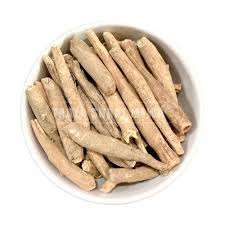
The Prime Minister recently presented GI-tagged Nagori Ashwagandha as a traditional Indian gift during the G7 Summit in France, symbolizing India’s rich Ayurvedic heritage and traditional knowledge systems.
Nagori Ashwagandha:
- It is a premium variety of Ashwagandha, sourced from the Nagaur region in Rajasthan.
- Nagaur’s dry climate and sandy soil are ideally suited for Ashwagandha cultivation.
- It has longer, thicker roots rich in medicinal compounds, particularly alkaloids.
- Its berries are known for their dark, bright red colour, which is considered a clear indicator of superior quality.
- It has brittle and starchy roots.
- It received the Geographical Indication (GI) tag in 2026.
- Ashwagandha (Withania somnifera) is an important medicinal plant cultivated in regions of South Asia, Africa, and Central Asia.
- It is a small perennial shrub growing up to 35–75 cm in height.
- It has been in use as a medicinal plant for thousands of years, especially in traditional Ayurvedic medicine.
- Benefits:
- It is often called an adaptogen, meaning it helps the body adapt to stressors and restore balance.
- Its other benefits are reducing inflammation, increasing energy, alleviating anxiety, ease pain, and improving sleep.
- Different parts of the ashwagandha plant, such as the root, leaves, and berries, may have different concentrations of bioactive compounds.
- Major Ashwagandha-Producing States in India: Madhya Pradesh, Rajasthan, Punjab, Haryana, Uttar Pradesh, Gujarat, Maharashtra.



