
SC Strikes Down Maharashtra’s Methanol Rules:
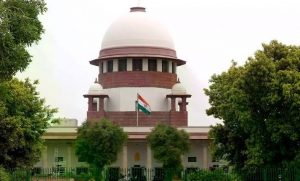
The Supreme Court of India recently struck down Rules 18A and 18B of the Maharashtra Poisons Rules, 1972, which mandated the addition of colourants and bitterants to industrial methanol. The Court ruled that these provisions are unconstitutional and fail the Doctrine of Proportionality.
Maharashtra Poisons Rules, 1972:
- Methanol (Methyl Alcohol): A highly toxic but essential industrial chemical used in paints, resins, pharmaceuticals, and disinfectants.
- The Origin of the Rules: Following a severe 1991 hooch (spurious liquor) tragedy in Mumbai, Maharashtra amended its Poisons Rules in 2011 to introduce Rules 18A and 18B.
- The Impugned Rules:
- Rule 18A(1): Restricted the sale of methanol only to holders of a ‘Form A’ licence.
- Rule 18A(2): Mandated mixing a colourant (methylene carmine) and a bitterant (denatonium saccharide) into methanol before selling it to non-drug manufacturers to prevent its use in illicit liquor.
- Rule 18B: Permitted confiscation of methanol found without a Form A licence.
- Supreme Court Ruling on Maharashtra Poisons Rules, 1972:
- Violation of Fundamental Rights: The Supreme Court declared the rules unconstitutional for violating two primary fundamental rights:
- Article 14 (Right to Equality): The rules were deemed “manifestly arbitrary” as they lacked a rational nexus with the objective sought to be achieved.
- Article 19(1)(g) (Freedom of Trade and Profession): The mandatory denaturing of methanol placed an unreasonable and continuous burden on non-drug manufacturers, irreparably damaging product quality for legitimate industries (e.g., paints, laboratory chemicals).
- Application of the Proportionality Test:
- Applying the proportionality framework (established in K.S. Puttaswamy v. Union of India (2017)), the Court noted:
- While preventing hooch tragedies is a legitimate state aim, the specific restrictions were neither suitable nor necessary. Cosmetic changes (colour/bitterness) fail to address the root causes of illicit liquor deaths, such as pilferage, corruption, and illegal diversion in unregulated fields.
- The Court noted that forced temperance and complete alcohol bans often fail, driving the trade underground.
- This leads to five evils: loss of tax revenue, high enforcement costs, police/excise corruption, illegal distilling, and the resultant drug menace.
- The Court cited the example of Gujarat, which despite strict prohibition since 1960, has witnessed multiple mass hooch tragedies.



