
The Report: Status of Policing in India Report (SPIR) 2026
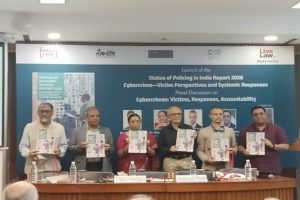
The Status of Policing in India Report (SPIR) 2026 was released, based on a 16-State survey of 8,306 citizens mapping cybercrime exposure, vulnerability patterns, and police redressal mechanisms.
The Report: Status of Policing in India Report (SPIR) 2026:
- An empirical, multi-state study evaluating the everyday interface between citizens and the police, tracking the lifecycle of cyber frauds from digital exposure and victimization to formal reporting and financial recovery.
- Published by: Conducted and published jointly by Lokniti–Centre for the Study of Developing Societies (CSDS) and Common Cause.
Key Findings in the Report:
- Divergent National Crime Trend: Cybercrime surged 17.9% (from 86,420 cases in 2023 to 1,01,928 in 2024 according to NCRB data), sharply contrasting with a 6% decline in overall registered crime nationwide.
- Pervasive Exposure to Scams: Fraudulent phone calls were common: 33% received calls regarding unordered deliveries, 31% faced high-return investment scams, and 27% encountered fake bank officials seeking personal account details.
- ScreenTime Directly Correlates with Risk: Citizens spending higher time online faced significantly greater exposure: 46% of high-usage respondents reported moderate-to-high scam encounters, compared to 19% among non-internet users.
- Prevalence of Financial Loss: Approximately 13% of surveyed citizens were direct victims of cybercrime within the last 2–3 years; among them, 54% experienced financial fraud, with 23% losing upwards of ₹20,000.
- Socio-Economic Skew in Fraud: Financial fraud was higher among privileged groups: 57% of affluent respondents were victims compared to 47% of the poor, and 59% of college graduates were targeted compared to 40% of non-literate citizens.
- Low Formal Reporting: Only 49% of victims lodged a formal police complaint, while 39% did not complain at all and 9% dropped out after the initial visit.
- Bribery as an Enforcement Catalyst: More than a quarter (27%) of complainants paid a bribe to the police; 41% of bribe-payers recovered their full lost money compared to just 12% who did not pay.
- Asymmetric Burden on Marginalized Groups: Poor victims were more than four times as likely to pay a bribe (51%) as the affluent (12%), and 55% of poor victims relied on informal networks of influence to move their cases forward.



