
Utkalmani Pandit Gopabandhu Das:
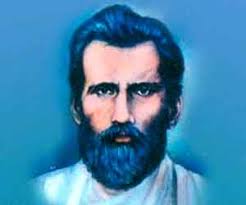
President of India unveiled the statue of eminent freedom fighter, social reformer, and pioneer journalist Utkalmani Pandit Gopabandhu Das at Lajpat Bhawan in New Delhi.
- Utkalmani Pandit Gopabandhu Das (1877–1928) was an iconic freedom fighter, social reformer, educationist, poet, and pioneering journalist from Odisha.
Revered with the title Utkalmani (meaning The Jewel of Odisha), he dedicated his life to national independence, linguistic consolidation of Odia-speaking regions, open-air education, and the selfless service of flood and famine victims
Contribution:
- Appointed as the founding President of the Utkal Pradesh Congress Committee (UPCC) in 1920, bringing Odisha into the mainstream of the national movement led by the Indian National Congress.
- Spearheaded Mahatma Gandhi’s Non-Cooperation Movement across Odisha, encouraging youth to leave British schools and courts, which resulted in his frequent arrests and imprisonment.
- Deeply aligned with Lala Lajpat Rai’s vision of social work, he joined the Servants of the People Society (Lok Sevak Mandal) and rose to become its national Vice-President.
- Played a pivotal role in the Utkal Sammilani, advocating for the administrative unification of fragmented Odia-speaking regions—a movement that ultimately led to Odisha becoming India’s first language-based province in 1936.
- Satyabadi Bana Bidyalaya (1909): Founded an open-air residential school at Sakhigopal near Puri based on the Gurukula model. The school broke caste barriers by requiring students of all backgrounds to dine and study together while fostering patriotism and moral character.
- Founding The Samaja (1919): Started the historic Odia newspaper The Samaja in 1919 to inform rural populations, promote literacy, and highlight British exploitation. Written in simple, lucid Odia prose, it became a voice for the marginalized.
- Literary Masterpieces: An acclaimed poet and essayist, he authored inspiring nationalist literature during his incarceration, including Bandi R Atmakatha (Story of a Prisoner), Dharmapada, and Kara Kabita.



