
Epichlorohydrin:
The Bureau of Indian Standards (BIS) has implemented strict standards for tea bags, prohibiting harmful chemicals like epichlorohydrin.
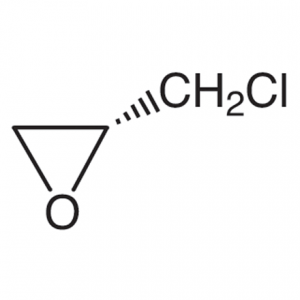
- Epichlorohydrin is an epoxide in which one of the methyl hydrogens is substituted by chlorine.
- It is a volatile and flammable, clear, colorless, liquid, chlorinated cyclic ether with an irritating, chloroform-like odor.
- It emits toxic fumes of hydrochloric acid and other chlorinated compounds when heated to decomposition.
- It is soluble in water.
- It is used mainly for the manufacture of glycerol and unmodified epoxy resins.
- It is used in the manufacture of elastomers, water treatment resins, surfactants, ion exchange resins, plasticizers, dyestuffs, pharmaceutical products, oil emulsifiers, lubricants and adhesives
- Exposure to epichlorohydrin irritates the eyes, skin and respiratory tract, and can cause chemical pneumonitis, pulmonary edema, and renal lesions.
Bureau of Indian Standards:
- It is the national standard body of India established under the Bureau of Indian Standards Act 2016.
- It was established for the harmonious development of the activities of standardization, marking, and quality certification of goods and for matters connected therewith or incidental thereto.
- It is the successor of the Indian Standards Institution (ISI), which was created in 1947.
- BIS represents India in International Organization for Standardization (ISO) and International Electrotechnical Commission (IEC).
- Nodal Ministry: It is functioning under the administrative control of the Ministry of Consumer Affairs, Food and Public Distribution.
- Headquarter: It is headquartered in New Delhi and maintains regional and branch offices throughout the country.



