
American Foulbrood (AFB):
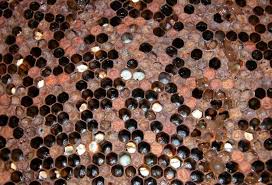
Beekeepers have been warned to increase the biosecurity of their hives after an outbreak of American Foulbrood disease (AFB) was recently confirmed in Scotland.
- It is a fatal infectious disease of honey bee larvae, caused by a spore-forming bacterium called Paenibacillus larvae.
- While it only attacks larvae, AFB weakens the colony and can quickly lead to its death in only three weeks.
- Paenibacillus larvae produce spores when subjected to stress such as lack of nutrients.
- It’s these spores that actually cause and are the source of the disease.
- Spores enter the larva through feeding of contaminated food.
- The bacteria kill the bee larva by completely consuming the body tissues.
- The spores are highly resistant to extremes of temperature, chemical attack, and other adverse conditions and can remain viable for over 50 years
- Once hardship has passed, for example, when nutrients become available again, the bacterium will germinate and reproduce.
- The cycle will repeat if hardship occurs again. This means that it is difficult to eliminate the spores from colonies.
- Although AFB is not highly contagious, bacterial spores can easily be spread between hives and apiaries through beekeeping practices such as the exchange of equipment and movement of infected combs.
- Though adult bees are not affected by AFB, they can spread spores within and between infected and clean hives through robbing and drifting.
- Treatment: The disease is not able to be cured, meaning that destruction of infected colonies and hives or irradiation of infected material is the only way to manage AFB.



