
China’s Hukou System:
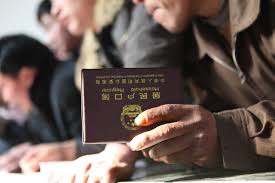
China has issued new guidelines to provide education, housing, social security, and healthcare benefits at the place of residence, irrespective of hukou registration status.
- The Hukou (Household Registration System) is China’s internal residence registration mechanism that classifies citizens as rural or urban residents and links access to public services, welfare benefits, education, healthcare, and housing to their registered place of residence.
- Often described as an internal passport system, it regulates population mobility and state resource allocation.
- Introduced in the 1950s under the Communist government to control internal migration and manage resource distribution.
- Economic reforms after 1978 relaxed migration restrictions to support industrialization, but welfare benefits remained tied to hukou status.
- Since 2014, China has gradually reformed the system to integrate migrant workers and promote people-centered urbanisation.
Key Features:
- Every citizen is registered as either a rural or urban resident, determining eligibility for government welfare and public services.
- Access to schools, healthcare, social insurance, housing subsidies, and welfare benefits is tied to the registered locality.
- Migrants often face difficulties accessing benefits in cities where they work but are not officially registered.
- It helps governments plan infrastructure, employment, and public expenditure based on registered populations.
- Recent reforms emphasize “permanent residents” rather than hukou status, extending basic public services to migrant populations.
- The objective is to support urbanisation, labour mobility, and inclusive economic growth without abolishing the hukou system.



