
The Australia confirms first H5N1 bird flu:
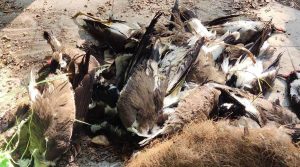
Australia confirmed its first mainland case of Highly Pathogenic Avian Influenza (HPAI) H5N1 in a mammal after the virus was detected in a dead long-nosed fur seal at Beachport, South Australia.
- H5N1 is a subtype of the Influenza A virus belonging to the Orthomyxoviridae family. Classified as a Highly Pathogenic Avian Influenza (HPAI) virus, it is characterized by two primary surface glycoproteins: Hemagglutinin type 5 (H5) and Neuraminidase type 1 (N1). It primarily infects wild aquatic birds and domestic poultry, but possesses severe cross-species zoonotic potential.
- Origin & Evolution:
- First Detection (1996): First isolated from a farmed goose in Guangdong Province, southern China (known as the Gs/Gd lineage).
- Human Outbreak (1997): First documented human outbreak occurred in Hong Kong in 1997, causing severe respiratory illness and fatal cases.
- Global Clade 2.3.4.4b Outbreak: In recent years, a highly transmissible panzootic lineage (Clade 2.3.4.4b) emerged, spreading via migratory bird flyways across Europe, the Americas, Antarctica, and ultimately reaching Australia.
- Causes systemic disease and near-100% mortality in chickens and turkeys, often within 48 hours.
- Repeated infections in mammals could favour mutations enabling binding to human-type α-2,6 receptors.
- Human infections are rare with no sustained transmission, but reported cases have shown ~50% fatality.
- Can remain infectious in water, soil and bird faeces, especially in cold and coastal environments.



