
What is Celiac Disease?
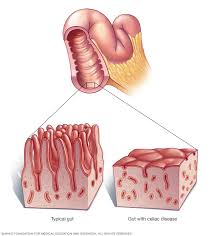
Celiac disease, traditionally regarded as a childhood disorder, is increasingly being diagnosed among adults and the elderly, with doctors at the PGIMS, Rohtak, reporting a growing number of atypical cases.
- Celiac disease is an autoimmune disease that causes the body to react to a protein called gluten.
- Gluten is a protein found in wheat, barley, rye, and other grains.
- It may also be in other products like vitamins and supplements, hair and skin products, toothpastes, and lip balm.
- When people with celiac disease eat gluten, it triggers an abnormal response from your immune system.
- The immune system attacks the gluten in digestive system, causing inflammation.
- This inflammation damages the small intestine.
- The damage may prevent body from absorbing vitamins, minerals, and other nutrients from the food.
- Without treatment, celiac disease can lead to malabsorption and malnutrition.
- Malnutrition has many serious side effects, especially in children. Children with celiac disease may have growth and development delays.
- The condition is also known as celiac sprue, nontropical sprue, or gluten-sensitive enteropathy.
- The exact cause of celiac disease is not known.
- Research suggests that celiac disease only happens in people who have certain genes and eat food that contains gluten.
- Researchers are studying other factors that may play a role in causing the disease.
- The only treatment for celiac disease is strict adherence to a gluten-free diet for life.
- Sticking with a gluten-free diet will treat or prevent many of the symptoms and other health problems caused by celiac disease.
- In most cases, it can also heal damage in the small intestine and prevent more damage.



