
Polylactic Acid:
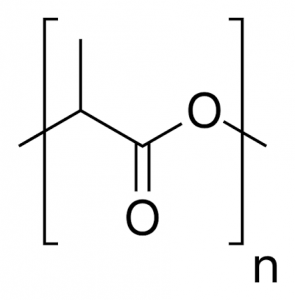
The Union minister for Science and Technology launched the commercial use of bio-based biodegradable plastic based on Polylactic Acid (PLA).
- Polylactic Acid is a biodegradable, thermoplastic polymer derived from renewable resources such as corn starch or sugarcane.
- It is synthesized through the fermentation of glucose to produce lactic acid, which is then polymerized.
- PLA is known for its eco-compatibility and versatility, finding applications in areas like food packaging, medical sutures, and 3D printing.
- Advantages of Polylactic Acid:
- Reduces Carbon Footprint: Its bio-based origin ensures a reduced carbon footprint and aligns with global sustainability goals.
- Dual Benefit: PLA’s ability to integrate agricultural waste into the value chain can create dual benefits first with farmers gaining additional income streams, and second is industries achieving a sustainable supply of raw materials.
- Resource utilization: Integrating PLA production within existing agro-industrial frameworks—such as co-locating bioplastic plants with sugar mills—can optimize resource utilization while reducing waste.



