
Bacillus subtilis : State microbe
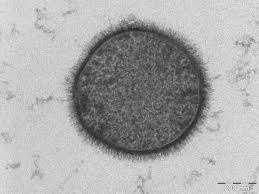
Kerala officially declared Bacillus subtilis as ‘State microbe’.
- Bacillus subtilis (B. subtilis) is a type of probiotic (“good” bacteria) found naturally in the human gut.
- It’s also found in fermented foods.
- It is a spore forming, motile, rod-shaped, Gram-positive, facultative aerobe.
- It is mostly found in soil and vegetation with an optimal growth temperature from 25-35 degrees Celsius.
- subtilis has the ability to produce and secrete antibiotics.
- The genomic structure of this microorganism contains five signal peptidase genes that are important for the secretion of these antibiotics.
- It has shown to be capable of secreting polymyxin, difficidin, subtilin, and mycobacillin.
- It is used as a model organism for studying endospore formation in bacteria.
- Endospores of B. subtilis can tolerate harsh environmental conditions, such as UV exposure and high temperatures.
- Subtilis is non-pathogenic but can contaminate food and be considered an opportunistic pathogen among the immuno-compromised.
- Bacillus subtilis is used on seeds, vegetables, and plants as a fungicide because of their ability to produce antibiotics.
- It inhabits the root system of the plant competing with disease causing organisms.
- Some B. subtilis strains are capable of producing toxins for insects. These strains are used by farms to protect their crops.
- subtilis endopores serve as one of the models for evaluating the effectiveness of sporicides and sterilants.



