
Barrier Lake:
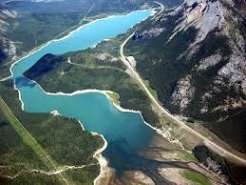
The newly formed barrier lake on the Nepal-Tibet border poses an immediate, catastrophic threat to Nepal.
- A barrier lake is more commonly known as a landslide dam or lake.
- It is created in a river valley when landslide debris completely blocks a stream or river.
- The displaced material effectively becomes a natural dam, trapping water upstream and creating a temporary reservoir.
- It is commonly formed in places with high, steep mountains and narrow river valleys that witness activity such as rock, soil and mud avalanches, slides, or flows.
- This instantly plugs the river Water rapidly accumulates behind this natural blockage.
- As water pressure mounts, the loose debris dam can erode or suddenly collapse.
- This triggers the lake burst, sending a catastrophic wall of water downstream.
- The timescale of a breach can vary from days to even decades after the formation of a dam.
- A failure of the dam can potentially release millions of cubic metres of water in a short period, causing catastrophic flooding downstream.
- This flooding can carry debris and also create secondary landslides downstream, compounding its effect.



