
Crohn’s Disease : Recent Study
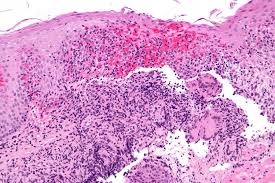
A detailed cellular study of Crohn’s disease recently mapped how gene activity changes across more than 50 cell types in the gut.
- Crohn’s Disease is a chronic inflammatory bowel disease (IBD) that causes swelling and irritation of the tissues, called inflammation, in the digestive tract.
- It can affect any part of digestive tract. But it usually affects the end of the small intestine and the beginning of the large intestine.
- The inflammation often spreads into the deeper layers of the bowel.
- Crohn’s disease can be both painful and debilitating. Sometimes, it may lead to serious or life-threatening complications.
- People with a first-degree relative, such as a parent, sibling, or child, are at higher risk to have the disease.
- Crohn’s disease can develop at any age, but usually first appears in people aged in their 20s and 30s.
- It is more common in people living in the Western world, but it’s also becoming more common in developing countries.
- Crohn’s is a lifelong condition. There’s no known cure for Crohn’s disease.
- But treatment can help manage symptoms, reduce inflammation, and live an active life.



