
Dengue Early Warning System:
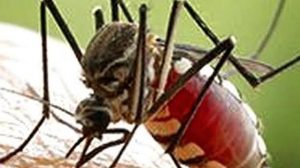
Kerala scientists recently developed a Dengue Early Warning System (DEWS) using machine learning, six years of case data, and weather variables to forecast district-level dengue trends and help health authorities act before outbreaks intensify.
- Dengue (break-bone fever) is a mosquito-borne viral infection caused by the dengue virus (DENV).
- While many dengue infections are asymptomatic or produce only mild illness, the virus can occasionally cause more severe cases and even death.
- The virus is most common in tropical and subtropical regions, including Central and South America, Africa, parts of Asia, and the Pacific Islands, mostly in urban and semi-urban areas.
- Dengue epidemics tend to have seasonal patterns, with transmission often peaking during and after rainy seasons.
- It is transmitted to humans through the bite of infected Aedes mosquitoes carrying one of four types of dengue virus (DENV).
- It isn’t contagious from person to person except when passed from a pregnant person to their child.
- A person can be infected with dengue multiple times in their life.
- There is no specific medicine to treat dengue. The focus is on treating pain
- It is generally treated with supportive care such as pain relievers, bed rest, and fluids.



