
Diphtheria:
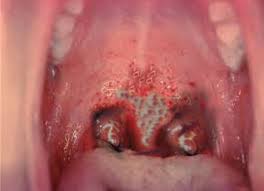
After decades of being largely under control, diphtheria — a serious but vaccine-preventable disease — is making an unexpected return in parts of Australia.
- Diphtheria is a highly contagious bacterial infection that can attack the upper respiratory tract and less often the skin.
- It is caused by strains of bacteria called Corynebacterium diphtheriae that make a toxin.
- The bacterium usually multiplies on or near the surface of the throat or skin.
- There are two main types of diphtheria:
- Classical respiratory diphtheria: It may affect your nose, throat, tonsils, or larynx (voice box). It’s the most common type.
- Skin (cutaneous) diphtheria: It causes a skin rash, sores, or blisters. They can appear anywhere on your body. Cutaneous diphtheria is more common in tropical climates. Overall, it’s rare.
- It can spread from person to person, usually through respiratory droplets, like from coughing or sneezing.
- People can also get sick from touching infected open sores or ulcers in case of cutaneous diphtheria.
- Some people may not develop disease manifestations but can still transmit the bacteria to others.
- Treatment:
- Neutralization of unbound toxin with Diphtheria Antitoxin (DAT).
- Antibiotics to prevent further bacterial growth;
- Monitoring and supportive care to prevent and treat complications, e.g. airway obstruction, myocarditis.
- It is a vaccine-preventable disease, but multiple doses and booster doses are needed to produce and sustain immunity.



