
Earth Observation Satellite EOS-N1 (Anvesha):
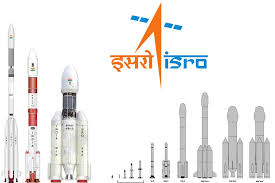
Indian Space Research Organisation (ISRO) will begin 2026 with the PSLV-C62 mission, launching the advanced surveillance satellite EOS-N1 (Anvesha) along with 18 co-passenger payloads.
- EOS-N1 (codenamed ‘Anvesha’) is an advanced hyperspectral Earth observation satellite developed primarily to support India’s strategic and civilian remote-sensing needs.
- To be launched in: January 2026, aboard PSLV-C62 from Sriharikota.
- Aim is to enhance space-based surveillance and reconnaissance capabilities while supporting civil applications such as agriculture, urban planning, and environmental monitoring.
Key functions:
Hyperspectral imaging: Captures data across hundreds of spectral bands, enabling precise identification of materials and surface features.
Strategic surveillance: Assists in border monitoring, terrain analysis, and threat detection, strengthening national security.
Agriculture support: Enables crop health assessment, soil moisture analysis, and yield estimation.
Urban and infrastructure mapping: Supports land-use planning, infrastructure monitoring, and disaster preparedness.
Environmental monitoring: Tracks ecosystem changes, pollution patterns, and climate-related impacts.
Key functions:
Hyperspectral imaging: Captures data across hundreds of spectral bands, enabling precise identification of materials and surface features.
Strategic surveillance: Assists in border monitoring, terrain analysis, and threat detection, strengthening national security.
Agriculture support: Enables crop health assessment, soil moisture analysis, and yield estimation.
Urban and infrastructure mapping: Supports land-use planning, infrastructure monitoring, and disaster preparedness.
Environmental monitoring: Tracks ecosystem changes, pollution patterns, and climate-related impacts.



