
Gulbarga Tur Dal:
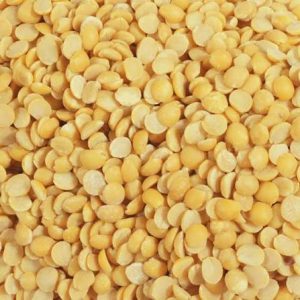
The Agricultural and Processed Food Products Export Development Authority (APEDA) flagged off a shipment of 1 metric tonne of Geographical Indication (GI)-tagged Gulbarga Tur Dal to the Maldives.
- Gulbarga Tur Dal, associated with the Kalaburagi region of Karnataka.
- It has received the Geographical Indication (GI) registration in 2019.
- The product is recognised for its distinctive taste and quality and forms an important part of the agricultural economy of the region.
- Tur Dal is one of India’s most important pulse crops and a major source of dietary protein.
- It is a legume crop and protein-rich food which is primarily consumed as dal in India.
- It is predominantly a crop of tropical areas mainly cultivated in semi-arid regions of India.
- It requires 600-650mm of annual rainfall along with moist conditions for the initial eight weeks and dry conditions during its flowering and pod development phase.
- It can be grown with a temperature ranging from 26 to 30 degree Celsius in the rainy season and 17 to 22 degree Celsius in the post rainy (November to March) season.
- It can be grown on all types of soil, however, sandy loam or loam soil is most suitable for its cultivation.
- It is very sensitive to low radiation at pod development, therefore flowering during the monsoon and cloudy weather, leads to poor pod formation.
- It is commonly intercropped with a wide range of crops.
- The important diseases of Pigeon pea are Wilt, Sterility mosaic disease, Phytophthora blight, Alternaria blight and Powdery mildew etc.
- It has low glycaemic index and is rich in thiamine, riboflavin, niacin, vitamin B-6, folate, vitamin A, calcium, zinc, iron and magnesium
- Major Pigeon pea producing states: Uttar Pradesh, Madhya Pradesh, West Bengal, Bihar and Jharkhand.



