
Magnetic levitation technology:
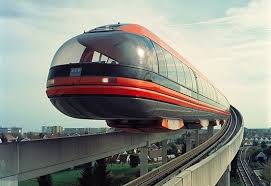
Chinese scientists have achieved a milestone in magnetic levitation (Maglev) technology by successfully propelling a one-tonne a one-tonne vehicle to 700 kilometers per hour in just two seconds.
- It is a transportation technology which uses electromagnets to lift, guide and propel trains without wheels, allowing the cars to levitate slightly above the tracks.
- It is achieved through magnets in the guideway walls interacting with magnets on the train, move the train forward in an almost frictionless environment.
- Maglev trains operate using two key electromagnetic principles: magnetic attraction and repulsion.
- The system typically consists of three main components:
- Magnets lift the train above the track, ensuring there is no physical contact. This minimizes wear and tear while providing a smooth ride.
- Electromagnets stabilize the train laterally, keeping it centered on the track.
- Propulsion: Linear motors generate magnetic fields that push and pull the train along the track. This replaces the need for traditional engines or fuel.
- The tracks, known as guideways, are embedded with powerful electromagnets, while the trains themselves contain superconducting magnets or electromagnets.
- By carefully controlling the magnetic fields, maglev trains achieve levitation and propulsion with minimal energy loss.
- With no physical contact between train and track, maglev systems have significantly lower maintenance costs and higher energy efficiency.
- Maglev trains produce zero direct emissions and can be powered by renewable energy sources, making them a sustainable alternative to fossil fuel-based transport.



