
Privilege Notice and Parliamentary Privileges in India:
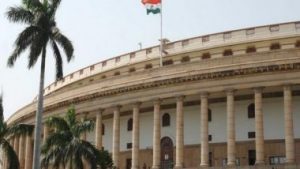
A privilege notice has been submitted against the Prime Minister of India, alleging breach of parliamentary privilege following remarks made after the defeat of the Constitution (131st Amendment) Bill, 2026.
- A Privilege Notice (or Motion) is a formal notice submitted by a member of parliament (MP) alleging a breach of their parliamentary rights, immunities, or the dignity of the House.
- It is used to initiate action against members or outsiders who have committed a breach of privilege or contempt of the House (e.g., misleading the House, withholding facts, or casting aspersions on members).
- It is moved under Rule 222 in the Lok Sabha and Rule 187 in the Rajya Sabha.
- The Speaker (Lok Sabha) or the Chairman (Rajya Sabha) is the first level of scrutiny.
- The Presiding Officer examines it and may give or withhold consent for it to be raised in the House.
- After the Speaker/Chairman admits the notice, the member seeks leave of the House (formal permission of the House to allow a member to raise a particular matter (like a privilege issue) for discussion) and if no objection or if at least 25 members support, leave is granted.
- Privilege Notice is usually raised after Question Hour, but can be allowed anytime in urgent cases.
- Once admitted, the House may debate directly or refer to the Committee of Privileges of the House for examination, investigation, and report. However, the final decision rests with the House itself.
- It is a Standing Parliamentary Committee. Its function is semi-judicial.
- Lok Sabha: Consists of 15 members nominated by the Speaker.
- Rajya Sabha: Consists of 10 members nominated by the Chairman.
- It examines every question involving a breach of privilege, determines the facts, and makes recommendations to the House regarding the action to be taken.
- The accused member is given an opportunity to present their explanation.