
South Korea’s Plastic Waste Management System:
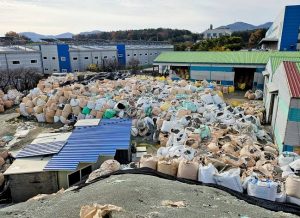
South Korea’s plastic recycling system has come under scrutiny after research showed that only 16.4% of household plastic collected for recycling in 2021 was actually recycled into plastic, despite official recycling figures of around 73%.
- South Korea operates an Extended Producer Responsibility (EPR) system under which manufacturers and importers are financially responsible for managing the packaging waste they introduce into the market.
Key Findings:
- High Plastic Waste Generation: South Korea generated 7.8 million tonnes of household and commercial plastic waste in 2024. In 2022, per-capita plastic waste stood at 103.9 kg, the second-highest in the OECD.
- Low Actual Material Recycling: Researchers found that only 16.4% of sorted household plastic in 2021 returned as recycled plastic, while substantial quantities were burned or landfilled.
- Inflated Recycling Statistics: South Korea historically counted thermal recovery—burning plastic as fuel in cement kilns, boilers and power plants—as recycling, pushing the reported recycling rate above 70%.
- High Producer Responsibility: Mandatory recycling rates for major packaging streams range from roughly 50% to 90%, including about 79% for colourless PET bottles and 90% for containers, trays, films and sheets.
- Municipalities ReceiveEPR Funds: Through the Korea Resource Circulation Service Agency (KORA), around 80–90% of producer contributions reach local governments, collectors, sorting facilities and recyclers.



