
The PaBV-4 Bird Virus:
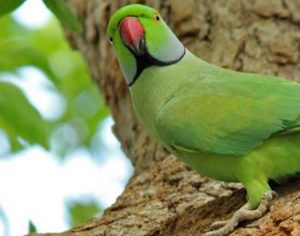
For the first time in India, a multi-institutional team of scientists has identified and genetically characterized parrot bornavirus 4 (PaBV-4) circulating among captive birds.
- Parrot bornavirus 4 (PaBV-4) is a highly contagious, single-stranded RNA virus belonging to the species Orthobornavirus alphapsittaciforme.
- It is the primary, most veterinary-relevant etiological agent responsible for causing Proventricular Dilatation Disease (PDD)—a progressive, largely fatal neurological and gastrointestinal wasting syndrome that affects psittacine birds (the parrot family, including macaws, parakeets, cockatiels, and lovebirds).
- Region Found In:
- Global Footprint: Previously documented across North America (U.S., Canada), South Korea, Japan, Israel, and Europe.
- In India: Identified across major captive aviculture hubs in Assam, Karnataka (Bengaluru), and West Bengal (Kolkata).
- The link between avian bornaviruses and Proventricular Dilatation Disease (PDD) was first discovered globally in 2008.
- Prior to this, the fatal condition was colloquially known as Macaw Wasting Disease since its initial description in the late 1970s.
- The July 2026 study marks the first official confirmation of the virus circulating within the Indian subcontinent.
Key Features:
- Systemic Non-Cytolytic Infection: The virus causes persistent infection and damages nerves mainly through immune-driven inflammation rather than directly destroying infected cells.
- The Asymptomatic Lurk Element: Many infected birds appear healthy yet silently shed the virus, spreading infection throughout aviaries without visible symptoms.
- Transmission Routes: The virus spreads through contaminated food, water, saliva, and feces, and can also pass from infected parents to eggs.
- Diagnostic Markers: RT-PCR detects the virus best from cloacal swabs in live birds and from brain and proventriculus tissues in dead birds



