
Panama Disease:
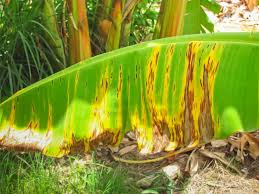
Scientists discovered a gene that could save bananas from deadly Panama disease.
- Panama disease is also known as fusarium wilt.
- It is a devastating disease of bananas caused by the soil-inhabiting fungus species.
- It is caused by the fungus Fusarium oxysporum f. sp. cubense, which lives in soil and can survive there for many years.
- This disease affects the Cavendish variety or the G9 Banana cultivar, which is the most widely grown banana in the world.
- The fungus resides below ground and infects the plant through its roots.
- The infection then stops water and essential nutrients from being transported to the rest of the plant.
- The disease is so deadly that it is sometimes referred to as ‘banana cancer’.
- The leaves begin to wilt, and the stem of the plant starts turning dark brownish before the plant dies.
- The first external symptom of Panama is the irregular yellowing of the margins of older leaves, which later turn brown and dry out.
- These leaves eventually collapse along the leaf stalk or at the junction of the stalk and stem, resulting in a skirt of dead leaves forming around the lower part of the plant.



