
Scarlet Fever:
A DNA analysis of pathogens from a pre-Hispanic mummy revealed that the bacterium that causes scarlet fever and strep throat was present in the Americas prior to European colonization.
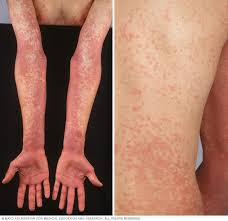
- Scarlet fever, also known as scarlatina, is a bacterial infection caused by group A streptococci bacteria — the same type of bacteria that cause ‘strep throat’, skin infections (impetigo), wound infections, and rheumatic fever.
- It is most common in children 5 to 15 years of age.
- If left untreated, scarlet fever can result in more-serious conditions that affect the heart, kidneys, and other parts of the body.
- The bacteria that cause scarlet fever are contagious (spread from person to person).
- People who are infected can easily spread it by coughing or sneezing, which sends tiny droplets that contain the bacteria into the air.
- People can get scarlet fever more than once.
- There is no vaccine to prevent scarlet fever.
- It is treated with antibiotics (usually penicillin).
- The fever will usually subside within 24 hours of starting antibiotics, but it is important to take the whole course to completely clear the germs from your throat.



